

Capites de Abril
Capites de Abril

Where to Watch Capites de Abril

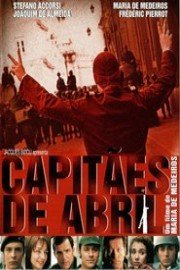
Set during Portugal's Carnation Revolution in 1974, "Capites de Abril" is a deeply moving and historically significant film that delves into the country's fight against oppressive fascism. Directed by Maria de Medeiros, who also stars alongside Stefano Accorsi and Joaquim de Almeida, the film represents a compelling portrayal of a significant event in Portugal's historic struggle for democracy.
The narrative of "Capites de Abril" unfolds through the lens of three central characters: Antonio, an idealistic military captain portrayed by Stefano Accorsi; Catarina, an independent and spirited young woman played by Maria de Medeiros; and Manuel, a cautious veteran colonel, enacted by Joaquim de Almeida.
Stefano Accorsi's character, Antonio, represents the heartbeat of the Carnation Revolution. As a captain in the Portuguese army, Antonio leads his men into a bloodless military coup against the fascist government, embodying the spirit of rebellion against repression. His dream is to rid Portugal of oppression and usher in an era of democracy that respects human rights and equality.
Maria de Medeiros’s character, Catarina, is a strong and independent woman. As a journalist and recording artist, Catarina uses her position to express dissent against the totalitarian regime. Her character offers a female perspective of the political turmoil, symbolizing the role of women in the revolution movement and their contribution to the fight against dictatorship.
Joaquim de Almeida’s portrayal of Manuel, a middle-ranking officer in the army, reflects the dilemma many faced in this era of upheaval. Torn between loyalty to the regime and growing disgust at its abuses, Manuel’s character encapsulates personal struggle amid ideological changes.
The film's strength lies in its subtle portrayal of these three interconnected lives against the backdrop of an upheaval that would change the course of the nation's history. The narrative does not overinflate the historical events, instead focusing on providing an intimate human experience within its tumultuous context. Personal experiences and thoughts of the central characters form the core of the narrative, ensuring the audience resonates with the quest for freedom, the fear of reprisal, and the hope for a better future.
Beautifully shot and filled with evocative imagery, "Capites de Abril" meticulously captures the sights and feelings of 1970s Portugal. From the ravages of war to the intoxication of victory, every frame is vivid and stirring. The film, shot almost entirely in Portugal, communicates a deep sense of place and time, allowing the audience to genuinely experience the turmoil and triumph of that era.
As a director, Maria de Medeiros masterfully interweaves the characters' personal struggles and hope against the shifting political landscape of Portugal. A marriage of fiction and real-life accounts, de Medeiros offers a narrative imbued with raw emotion and empathy for its characters' plight. The storytelling style is accessible and remarkably honest, allowing audiences to deeply connect with the characters and their journey.
The performances of the cast are also commendable. Stefano Accorsi, Maria de Medeiros, and Joaquim de Almeida each deliver compelling performances that breathe life into their characters while never over-dramatizing their roles. The chemistry among the cast and their passionate performances contribute significantly to the movie's appeal and authenticity.
In summary, "Capites de Abril", is a captivating historical film that effectively portrays the Carnation Revolution's spirit and emotional journey, as experienced by three distinct characters. Through excellent character portrayal, stirring visuals, and a storyline that weaves personal narratives with historical events, the film provides an enriching and insightful perspective on a critical time in Portugal's history.