
Call Center Blues

Where to Watch Call Center Blues

Call Center Blues is a poignant and insightful 2020 documentary directed by Geeta Gandbhir, presenting an intimate portrayal of a community of deportees living at the fringes of society, yet seeking redemption through resilience and human connection. This absorbing feature adopts an observational and reflective tone, inviting viewers to an immersive exploration of individual sagas of migration, deportation, and displacement, that together, resonate a broader socio-political commentary on the ever-relevant issues of immigration, identity, and repatriation.
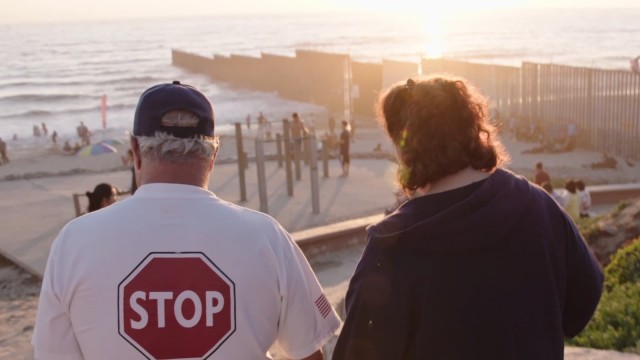
Set in the city of Tijuana, Mexico, the objective geography of the film provides a stimulating backdrop to the multicultural narratives of the protagonists. It's the city where the protagonists live and function, having transmigrated from their previous lives in the United States following their unexpected deportations. This mass of diverse individuals finds a glimmer of unlikely solidarity in the shared limbo of their collective circumstance, connected by a unique shared occupation; working at a call center that services the US.
As the title suggests, Call Center Blues gives us a glimpse into the rhythm of life that oscillates around this shared workplace, the call center. The film pivots strategically in its narrative between the realities of the impersonal, mechanical world of the call center and the personal, emotional worlds of the five key individuals. The constant ringing of phones being answered in heavily accented English, contrasted with the deep-rooted Latin cultural ethos of their everyday lives, weaves a gripping juxtaposition that is reflective of their fractured identities and dual existences.
Our protagonists, ironically tasked with providing solutions to customers half a world away whilst grappling with their torn realities, are depicted through an engaging narrative framework. Their stories, building on the themes of loss, longing, disappointment, but also resilience, hope, and acceptance, deliver a poignant panorama that is both reflective and challenging of the preconceived notions surrounding the immigrant experience. Each story is strikingly unique, the trauma of displacement hits differently, the pain resonates differently, and the hope sprouts differently, thus providing diverse, multi-layered narratives that are powerful as they are intimate.
Director Gandbhir magnificently explores the human facets through her lens, ensuring that the machinery of the call center does not overshadow the beating hearts of her subjects. The documentary, in its crafted storytelling, smartly prevents the characters from dissolving into faceless immigrants- they are human beings with their complexities, histories, and dreams. Despite traversing through the heavy themes of displacement and identity crisis, Gandbhir maintains a careful balance, never dipping into the cosmos of manipulation or sentimental excess.
Data, statistics, and political analysis are traded for a more humanizing, personal exploration of the deportation experience in Call Center Blues. It's an intimate window into the lives of people who have been yanked away from the American Dream and tossed back into an unfamiliar homeland. Their struggles in straddling the insidious blame-guilt divide, balancing between the homesickness for a place they are barred from and embracing a place they scarcely recognize as home, are narrated with empathy and authenticity.
Through a predominantly observational style of storytelling, Call Center Blues collates personal narratives that collectively paint a broader picture of the systemic structures that influence immigration and deportation. It is a deeply compelling portrayal of real human beings grappling with their circumstances, finding their paths for survival, and clinging on to hope. A fascinating and empathetic exploration of resilience in the face of adversity, the film perhaps delivers a quieter, more effective call to action than would a more assertive, confrontational narrative.
The beauty of Call Center Blues lies in its storytelling that marries the personal and political with equal sensitivity and craft. It is a reflective, challenging, and deeply poignant look into the lives of a community grappling with deportation, displacement, and the human desire to belong. Imbued with warmth, the film's ultimate message resonates long after the last call has been disconnected, underscoring the worthwhile probing of the societal, political, and human analyses that this documentary delivers.
In conclusion, Call Center Blues is an evocative exploration of the deportation experience that masterfully illuminates the human cost of immigration policies and the resilience fostered in the midst of adversity. The unique perspective, stark realism, and deeply woven human narratives buoyed by intimate storytelling make this movie a thought-provoking and touching crowd-puller. Far from being just a documentary, it is an artfully crafted, deeply human story of endurance, resilience, and the universal quest for identity and belonging.
Call Center Blues is a Documentary movie released in 2020. It has a runtime of 26 min. Critics and viewers have rated it moderate reviews, with an IMDb score of 6.6..
