
Bringing Tibet Home

Bringing Tibet Home
 8.2/10
Where to Watch Bringing Tibet Home

Bringing Tibet Home is a profoundly moving and thought-provoking documentary that premiered in 2013. It features Tenzing Rigdol, a contemporary Tibetan artist based in New York City, alongside appearances from The Dalai Lama and Tibetan musician Topten Tsering. The narrative primarily revolves around Rigdol's deep-set devotion to the preservation of Tibetan culture against waves of political and social unrest.
The film unravels as Rigdol sets himself on an audacious, near-impossible mission: to bring Tibet to the thousands of displaced Tibetans who, due to insurmountable political and geophysical barriers, are also forced to live in exile. His goal is not only to showcase the resilience, strength, and adaptability of the Tibetan people in the face of adversity but to ignite the flame of longing and to inspire hope for the return to their homeland one day.
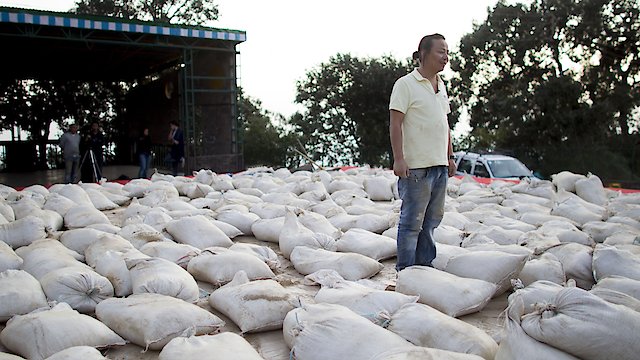
The central plot of Bringing Tibet Home is centered around Rigdol's daring art project. The artist plans to clandestinely transport 20,000 kilos of native Tibetan soil across the Himalayas into India, transforming it into an installation art piece for Tibetan refugees who have not seen their homeland for over half a century. The artist's poignant mission represents a profound symbol of longing and belonging, aiming to provoke a visceral homeward connectivity for his people.
Through this compassionate lens, the film offers the audience an intimate portrayal of the modern Tibetan struggle for identity and home. Interwoven with Rigdol's plans are authentic slices of the exiled Tibetan community, their collective memories, and their longing for their homeland. Speaking to a broad array of people, from the local refugees to spiritual heavyweights like the Dalai Lama, the documentary uncovers deep-seated sentiments of cultural significance, persistent echoes of Tibet’s history, and optimistic hopes for its future.
The candid conversations, introspective narratives, and subtle imagery in Bringing Tibet Home combine to create a stirring depiction of Tibetan lives in exile. The interactions between Rigdol and figures like The Dalai Lama, a symbol of struggle and hope for Tibetans worldwide, provide a rich backdrop that offers unique insights into the displaced Tibetan psyche.
The powerful imagery in this film highlights the beautifully raw and unforgiving landscapes of Tibet, underscoring the grueling journey Rigdol must undergo to realize his project. Each frame meticulously captures the hallowed ground's majesty, made even more profound by the emotional weight of the task at hand. Here too, the viewing audience is offered an authentic reminder of what is lost through borders and restrictions, a heartening tie between land and identity, essentially linking the essence of Tibet to the heart of its people.
Art and culture serve as poignant thematic undercurrents throughout the documentary. Rigdol’s presence as a contemporary artist provides an opportunity for a discourse on the role of art in cultural preservation and the power it holds, not merely perceived, but as a profound source of human connection and liberation.
The film equally presents the music rendered by Topten Tsering as another layer of the tapestry of Tibetan culture. The beautifully melancholic tunes are interspersed with gripping narratives and stunning visuals, adding depth and emotional resonance to the movie's flowing storyline.
Crafted with exquisite attention to detail, deep empathy, and a resonating sentiment of hope, Bringing Tibet Home beautifully encapsulates the spirit of resilience and the yearning for homeland amongst displaced Tibetans. It's a testament to the transformative power of art and the indomitable spirit of a people, offering viewers a rare insight into the hearts and minds of those living in exile.
In conclusion, Bringing Tibet Home is more than just a documentary about exile. It's a meditation on home, identity, culture, and the intrinsic human quality of perseverance. Through the lens of a poignant art project, the viewer is invited to deeply engage with the realities surrounding Tibetan displacement. Its message rings loud, clear, and universally relevant: the power of the human spirit to retain its roots in times of dispersion and to sew seeds of hope in the hardest of soils.
8.2/10