

Bill Moyers: Capitol Crimes
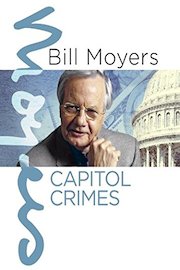
Bill Moyers: Capitol Crimes

Where to Watch Bill Moyers: Capitol Crimes

Bill Moyers: Capitol Crimes is a gripping film that delves deep into the reprehensible conduct that sometimes characterizes political life in the United States. It is a comprehensive documentary featuring insightful input from renowned journalist Bill Moyers and acclaimed political analyst Thomas Frank. This film takes an unflinching and critical look at corruption within American politics, tracing it from its roots to its most recent manifestations. It provides an eye-opening view of the machinations behind many political scandals.
Bill Moyers, known for his impeccable journalism and in-depth research, centered this film on the levels of corruption permeating the halls of America's revered political institutions. His journalistic piece bravely exposes the fraudulent actions of elected officials. Moyers uncovers how these dubious activities often get buried under cover-ups, secret deals and compromise legislation. His efforts aim to deepen the viewer's understanding of how these corrupt practices manifest and perpetuate, often at the expense of the public.
Thomas Frank, popular for his works in political history, journalism, and culture, also contributes significantly to the movie. Frank offers his sharp and insightful perspective on the practices, the motivations, and the individuals behind political corruption. His contribution helps the audience comprehend how these activities are systematically entrenched using the power dynamics within the political landscape.
The film starts by revealing scenes behind the late-night deals and staggering sums of money changing hands. It delves into the dark corners of the political realm where powerful interests shape national policy, often irrespective of public opinion or welfare. Moyers and Frank lay down a compelling narrative filled with shocking revelations and hard-to-swallow truths about American politics.
Using a bottom-up approach, Capitol Crimes aims to unravel the different implications that political corruption holds for an average American citizen. The film doesn't shy away from highlighting how these unethical practices have long-lasting effects on public perception, trust, and the democratic process itself. Furthermore, it illustrates how certain individuals exploit loopholes in the system for personal gains, compromising the interest of the public for whom they ought to be working.
Throughout the movie, Bill Moyers employs his journalistic prowess to ask the tough questions. He approaches the topic with a balanced viewpoint, giving the audience the opportunity to form educated opinions of their own. By interviewing key figures, whistleblowers, and watchdogs, the film aims to paint a picture of the sheer scope of the problem and the audacity of those at the center of these controversies.
Thomas Frank delivers an analytical perspective on the issue, backing the documentary’s revelations with historical context and relevant societal impacts. His insightful and well-articulated arguments help viewers understand how corruption has become deeply entrenched in American politics. Frank’s input adds a scholarly touch to the narrative, making the film not only eye-opening but also informative.
The movie concludes on a powerful note, as Moyers and Frank raise thought-provoking questions about the direction of the democratic process in the face of such political manipulation. It hints at the need for transparency, accountability, and public participation as the potential remedies to counter political corruption.
Overall, "Bill Moyers: Capitol Crimes" is much more than just a film. It is an investigative mission that educates the audience about the less-discussed aspects of the political process. Containing rare insights into political wrongdoings, the movie encourages viewers to question what they believe about their democratic rights and the individuals chosen to represent them. The film is a must-watch for those interested in politics, history, or contemporary societal malaise, stimulating a deeper dialogue about the current state of American democracy.