

Beyond Imagining: Margaret Anderson and the 'Little Review'
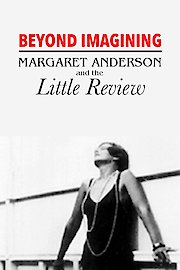
Beyond Imagining: Margaret Anderson and the 'Little Review'
 6.7/10
Where to Watch Beyond Imagining: Margaret Anderson and the 'Little Review'

Beyond Imagining: Margaret Anderson and the 'Little Review' is a 1994 documentary that explores the life and legacy of Margaret Anderson, the influential editor of the Little Review, a groundbreaking literary magazine that played a crucial role in the modernist movement in the early 20th century. The film delves into Anderson's personal and professional journey, highlighting her contributions to literature, feminism, and the avant-garde community of the time.
Set against the backdrop of the vibrant literary scene of the 1910s and 1920s, the documentary paints a detailed portrait of Anderson as a visionary who sought to champion innovative and daring voices that challenged societal norms. The Little Review became a sanctuary for avant-garde literature, showcasing works by some of the most important writers of the modernist era, including James Joyce, T.S. Eliot, and Ezra Pound. Through her editorial choices, Anderson pushed boundaries and provoked thought, fostering a space where experimental writing could flourish.
The film is rich with archival materials, including letters, photographs, and excerpts from the Little Review itself, which serve to illustrate the dynamism of the time and the power of the written word. Interviews with literary scholars, historians, and those familiar with Anderson's work provide context and insight, deepening the viewer's understanding of her impact on both literature and feminism. These discussions highlight how Anderson not only shaped the trajectory of modernist literature but also fought for women's rights and representation in the arts during a period when their voices were often marginalized.
Beyond Imagining also delves into Anderson's personal life, revealing the struggles and triumphs she faced as a woman striving to carve out her own place in a male-dominated literary world. The film explores her relationships, both personal and professional, and how they influenced her work and decisions as the editor of the Little Review. Anderson's passionate advocacy for artistic freedom, coupled with her courageous stance against censorship, particularly during the infamous obscenity trial surrounding the publication of Joyce's Ulysses, is a central theme of the documentary. This moment in history not only underscores the stakes involved in literary expression but also illustrates Anderson's unwavering commitment to her ideals.
The visual style of Beyond Imagining is evocative, using a mix of historical re-enactments, still images, and footage from the era to bring Anderson's world to life. The documentary expertly balances its focus on Anderson's professional achievements with glimpses into her personal struggles, providing a nuanced understanding of her multifaceted identity.
Moreover, the film discusses the Little Review's unique role as a platform for feminist thought during its publication run. By featuring works by women writers and advocating for their voices in a predominantly male literary culture, Anderson positioned the magazine as an early force in the feminist movement. This aspect of her work is examined through the experiences of women involved in the magazine, showcasing their stories and contributions alongside Anderson's own.
Beyond Imagining also reflects on the broader cultural changes occurring in the early 20th century, including shifts in artistic expression, the impact of World War I, and the burgeoning feminist movement. The documentary situates Anderson within these historical contexts, illustrating how her work was connected to larger social and political currents. Anderson emerges not just as an editor but as a cultural trailblazer whose influence reached far beyond the pages of her magazine.
Ultimately, Beyond Imagining: Margaret Anderson and the 'Little Review' is a tribute to a remarkable woman whose vision and determination helped shape the landscape of American literature. It invites viewers to reconsider the narratives surrounding literary history and recognize the vital contributions of women like Anderson who fought for a more inclusive and diverse artistic world. The film is an inspiring exploration of creativity, resilience, and the power of words to challenge and transform society, making it a compelling watch for those interested in literary history, feminism, and the arts. Through its thoughtful examination of Anderson's life and the legacy of the Little Review, the documentary serves as a reminder of the enduring influence of groundbreaking figures in the pursuit of artistic freedom and societal change.
6.7/10