

Bahrain: Shouting in the Dark
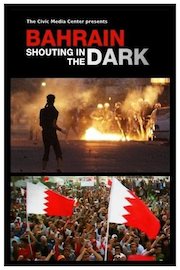
Bahrain: Shouting in the Dark
"The story of the Arab revolution that was abandoned by the Arabs, forsaken by the West and forgotten by the world."
 8.2/10
Where to Watch Bahrain: Shouting in the Dark

Bahrain: Shouting in the Dark is a gripping documentary film released in 2011 that presents a realistic portrayal of the serious civil discord experienced in the Arabian Gulf state of Bahrain. This real-life narrative focuses on the voices of Bahraini citizens and sheds light on their struggles and hopes, making it an influential portrayal of their brave spirits against oppressive situations.
This raw and challenging presentation is not a conventional film featuring Salman bin Hamad bin Isa Al-Khalifa, Khalid bin Ahmed Al Khalifa, and King Hamad bin Isa Al Khalifa. These are not actors but real-life personalities whose roles in the unfolding story contribute to the authenticity of this documentary. They serve as the backdrop to a tale of ordinary citizens who are unwittingly propelled into extraordinary circumstances.
Directed by May Ying Welsh, Bahrain: Shouting in the Dark journeys back to the small Persian Gulf kingdom engulfed in the sweeping wave of the pro-democracy Arab Spring movement that swept across the Middle East and North Africa in 2011. Taking a candid approach, Welsh presents the aspirations of the Bahraini people for greater political freedom and equality, offering a startling and emotionally engaging revelation of their experiences during this crucial turning point in history.
The film utilises the documentary approach to a startling effect, drawing upon a wealth of covertly filmed footage and personal narratives from those at the heart of the civil discord. The title itself - Bahrain: Shouting in the Dark - encapsulates the intention of all those involved in the production, to shine a light on the human consequences of a story that, while politically charged, is at its heart a deeply personal tale of resilience in the face of adversity.
One of the key facets of this daring groundbreaking documentary is not just its subject matter, but its structure. Rather than a chronological retelling, the film presents a collage of events that capture the mood and significance of the unfolding struggle, replete with emotional testimonials from Bahraini citizens that grant an empathy-evoking depth to the narrative. The result is an impactful piece of cinema that commands attention for the earnestness and potency of its storytelling, transcending the often faceless representation of geopolitical events in mainstream media.
Adding more unique layers to this film is its daring exploration of the geopolitical context in which these events occurred. Rather than focusing solely on the struggles within Bahrain, the film examines the international response to the mounting tension and conflict in Bahrain. This adds a critical dimension to the viewing experience, encouraging viewers to contemplate the broader implications of the events that unfold in this Arabian Gulf state.
Bahrain: Shouting in the Dark is an exploration of courage, resilience, and the agonising quest for democracy. It presents an immersive foray into a world often unseen, shedding light on the stories of people that the world appears to have forgotten or overlooked. Its content is raw and challenging, its delivery is brave and unfiltered, serving as a reminder of the ongoing struggles people face around the world in their quest for freedom and fairness. From a filmmaking perspective, this achieves a level of authenticity, credibility, and emotional resonance that underscores its power as a piece of meaningful, socially relevant cinema.
This film doesn't merely inform, it provides insight, eliciting empathetic understanding from its viewers. Its courage lies not only in the narration of an underrepresented struggle but also in its determination to give voice to the voiceless, advancing the democratic ideals that its subjects hold dear.
To conclude, Bahrain: Shouting in the Dark is a profound, heart-rending, and deeply enlightening film. It pierces the veil of an often misunderstood or overlooked part of the world and plunges the viewer into the lives and experiences of people struggling for their rights and dignity. It is a film with far-reaching implications that resonate far beyond the borders of Bahrain, making it not only a political commentary but also a universal statement about the human spirit's resilience. It is must-see viewing for anyone interested in understanding the deeper truths that lie beneath the surface of global events.
8.2/10