

Axe In The Attic, The
Axe In The Attic, The
 6.7/10
Where to Watch Axe In The Attic, The

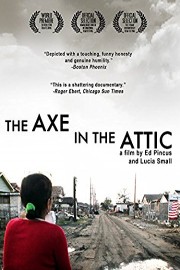
Axe In The Attic, The, is an intense, thought-provoking documentary from 2007 that's soaked in the aftermath of a national tragedy. Directed by Ed Pincus and Lucia Small, the film meticulously explores the human resilience during a catastrophic storm in the United States.
The documentary casts its lens on the infamous Hurricane Katrina that wreaked havoc in 2005, predominantly in New Orleans but also in other parts of the Gulf Coast regions. Hurricane Katrina was one of the deadliest and most disastrous storms in the history of the United States. For outsiders, it was a news story on the television; for the resident victims, it was a nightmare that captured their lives and turned it upside down.
Axe In The Attic, The, pulls back the newsroom curtain to reveal the heart-wrenching reality faced by the storm's victims. Pincus and Small don't merely adopt an observer's perspective but deeply immerse themselves in the narrative as they journey across these hurricane-affected areas merely six months after the devastating storm.
They not only document interviews with the victims but also include their own reflections and debates, introducing an introspective and engaging element to the narrative. The central motif in the film is the aftermath of the hurricane and its effects on the residents of New Orleans. The film's title stems from the dire advice given to those living in areas prone to flooding: have an axe in your attic so you can cut through the roof and escape if the water level rises too high.
The film is breathtaking in its depiction of devastation. Every frame is like an open wound that reminds the audience of the immense loss Katrina inflicted. It touches upon themes of inequality brought into the spotlight by the catastrophe, exacerbated by socioeconomic disparities and racial divides. Pincus and Small deliver a damning commentary on systemic issues and the inefficiencies in the country's disaster management and relief work.
The real strength of Axe In The Attic, The, lies in its intimate imagery and accounts by the people who lived through the horror. Broken homes, lost belongings, everything swept away, leaving behind just remnants of memories - the film provides a canvas for victims to share their personal stories of loss and survival, their struggle for recovery and redemption, and their criticism of government intervention.
From people returning to their ruined homes for the first time to those struggling to salvage what remains, from individuals questioning the government's inadequate response to those attempting to restore their lives amidst abandonment, the film presents an array of human experiences that are both heart-wrenching and heartwarming.
The film navigates the difficult waters of probing into personal hardships and societal failures, but it also captures the spirited resilience of the human soul. In the face of despair, the film manages to highlight moments of salvation, kindness, and unity. This balance prevents the film from becoming a mere catalog of devastation, instead transforming it into a powerful narrative of resilience and the need for systemic change.
Axe In The Attic, The, is not a film that aims to entertain. Rather, it is a raw, unfiltered portrayal of a tragic event in recent history that challenges viewers to rethink their understanding of the event's aftermath and perhaps stimulate action towards a more efficient, fair, and equitable disaster recovery system. It encourages viewers to reflect on the realities of climate change and the socio-political implications that come along with it.
Pincus and Small deliver a compelling, multifaceted documentary that does more than just scratch the surface of a calamity. They excavate the storm-ravaged landscapes of the Gulf Coast, the emotional turmoil of its survivors, their resilience, and the failed systems that left them behind. With epic intensity and grim honesty, Axe In The Attic, The, is more than just a documentary—it's an exploration of the human spirit in the face of a catastrophe.
6.7/10