

An Introduction to Islamic Art
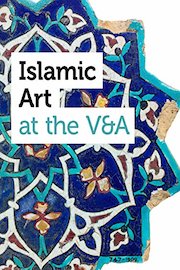
An Introduction to Islamic Art

Where to Watch An Introduction to Islamic Art

An Introduction to Islamic Art is a captivating exploration of the rich and diverse artistic traditions that have emerged from the Islamic world over the centuries. This documentary serves as a visual and intellectual journey through the various forms of art that reflect the cultural, spiritual, and historical contexts of the Islamic civilization, from its beginnings in the 7th century to its contemporary manifestations.
The film begins by setting the stage for understanding Islamic art, emphasizing its origins in the early Islamic period, following the advent of Islam in Arabia. It discusses how art in this context was not just an expression of aesthetic beauty but also served a profound purpose in conveying religious beliefs, community values, and social structures. The documentary illustrates how Islamic art drew on a multitude of influences from the cultures surrounding the Arabian Peninsula, including Persian, Byzantine, and even pre-Islamic traditions, resulting in a unique amalgamation that would evolve continuously.
One of the key themes of the film is the concept of aniconism in Islamic art, which is the avoidance of figurative imagery in religious contexts. This aspect is explored through various artistic expressions such as calligraphy, geometric patterns, and arabesques. The documentary visually showcases stunning examples of intricate calligraphy, emphasizing its significance as a revered art form in Islamic culture. Calligraphy is portrayed not only as a means of communication but also as a spiritual practice that invokes a connection to the divine through the beauty of written language.
The film delves deep into the rich tradition of tile work and architecture, highlighting the breathtaking designs found in mosques, palaces, and gardens. Viewers are treated to sweeping visuals of monumental structures, such as the grandeur of the Alhambra in Spain and the intricate beauty of the Sheikh Lotfallah Mosque in Iran. The film reflects on how these architectural wonders are not just functional spaces for worship and community gatherings but also serve as expressions of a society's philosophical and theological beliefs.
Another significant focus of the documentary is the diverse regional styles that have developed across different parts of the Islamic world. From the ornate embellishments of North African mosques to the minimalist elegance found in Southeast Asian Islamic architecture, the film illustrates the geographical variations and local adaptations that have shaped Islamic art. This exploration underscores the idea that Islamic art is not monolithic but is instead a tapestry woven from countless threads of regional identities and histories.
As the journey progresses, the film transitions to the role of art in everyday life within Islamic cultures. It examines the significance of crafts, textiles, ceramics, and metalwork, showcasing how these art forms are integral to the daily existence and identity of various communities. Viewers witness artisans at work, lovingly crafting their pieces and preserving the traditional techniques that have been passed down through generations. This section of the documentary emphasizes the importance of craftsmanship, not just as a means of livelihood but also as a cherished cultural heritage that strengthens communal bonds.
The documentary also addresses the contemporary landscape of Islamic art, exploring how modern artists interpret and reimagine traditional forms in today's globalized world. It highlights the vibrant art scenes in cities such as Istanbul, Cairo, and Dubai, where artists challenge conservative conventions and engage with new media, reflecting the complexities and dynamism of contemporary Muslim identities. This dialogue between the past and present creates a rich narrative that encourages viewers to consider the implications of tradition in a modern context.
Interspersed with expert commentary from historians, curators, and practicing artists, An Introduction to Islamic Art provides insightful analysis and perspectives that deepen the viewer's understanding of the subject. The film is complemented by a beautiful score that enhances the viewing experience and evokes the spiritual essence often found in Islamic art forms. Aiming to inspire curiosity and appreciation, the documentary invites audiences to explore the intersections of art, culture, and faith, highlighting the universal qualities that resonate across diverse expressions of Islamic art.
In essence, An Introduction to Islamic Art is not merely an academic examination but an invitation to appreciate the intricate beauty and profound meanings embedded in the artworks of the Islamic world. It celebrates the creativity, diversity, and enduring legacy of Islamic art, making it accessible to audiences both familiar and unfamiliar with the subject. The film ultimately serves as a reminder of the power of art to transcend borders, cultures, and eras, fostering a deeper understanding of our shared human experience.