

Al Haram
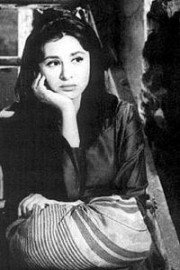
Al Haram

Where to Watch Al Haram

"Al Haram" is a compelling classic of Egyptian cinema, directed by the esteemed filmmaker Henry Barakat and released in 1965. This black-and-white film revolves around a complex and emotionally charged story, set against the backdrop of an authentic Egyptian village. The central theme of the movie navigates the struggles between personal desires, traditional norms, and the question of morality, presenting a deeply moving and thought-provoking narrative that resonates with its audience.
The film stars Faten Hamama, one of the most prominent and influential actresses in the Arab world, widely known for her grace, nuanced performances, and the powerful presence she brings to the silver screen. In "Al Haram," Hamama delivers a stellar performance as Aziza, a resilient and dutiful woman who embodies the strength and complexities of her character with an exceptional depth of emotion, illustrating her predicament with empathy and human warmth.
Zaki Rostom, a towering figure in Egyptian cinema, known for his commanding voice and authoritative on-screen personas, portrays the patriarchal figure in the film. His character exudes a certain traditional strictness and adheres to the prevailing customs and beliefs of the era, often being at odds with the shifting tides of personal freedoms and the moral dilemmas that the characters face.
Abdallah Gheith, on the other hand, plays the role of a younger, more progressive character whose choices and actions challenge the mores of the conservative environment he finds himself in. His performance adds a dynamic layer to the plot, as he grapples with the conflict between his personal convictions and the expectations imposed upon him by society.
The plot of "Al Haram" unfolds in a rural Egyptian village, where the customs and traditions are deeply ingrained in the lives of its inhabitants. The narrative delves into the lives of its characters, exploring the emotional and moral complexities faced by individuals within the village. The movie addresses themes of love, honor, betrayal, and redemption, painting a vivid picture of the human condition and the societal norms that shape it. The villagers' way of life is depicted with authenticity, capturing the essence of the time period and the cultural setting with impressive detail.
Aziza's story remains central to the narrative, as she becomes ensnared between her own desires and the expectations of the community. Her performance as a woman torn by duty and personal yearning is both powerful and heartbreaking, offering a window into the struggles faced by women in a decidedly patriarchal society. The dynamic between her character and those of Rostom and Gheith further pulls the audience into the dilemma, showcasing how each individual reacts differently when confronted with similar circumstances.
The director adeptly uses the rural landscape to frame the film's events, employing the scenic countryside as a metaphor for the simplicity and harshness of country life. The cinematography captures the stark beauty of the land, creating a visual language that adds to the overall mood and tone of the story. Such imagery contributes to the sense of place and encapsulates the internal and external struggles the characters endure.
"Al Haram" also stands out for its thoughtful representation of the generational clashes that occur as newer ideas begin to percolate through traditional structures. The younger characters are depicted as being caught between respect for their heritage and the desire for change and autonomy, themes that remain relevant in many societies grappling with the pressures of modernization.
The film's score further accentuates the emotional resonance of the narrative, with its captivating music reflecting the evolving dynamics and escalating tensions within the story. It complements the intense performances and dramatic moments, drawing the audience deeper into the film's atmosphere.
Henry Barakat's direction ensures that the pace and rhythm of the film maintain the viewer's engrossed attention throughout. His ability to construct complex character arcs and interweave them into a cohesive and engaging tale demonstrates his mastery of the craft. As a result, "Al Haram" is not just a film about individual characters but also serves as a commentary on the human condition and societal constructs.
With its multi-dimensional characters, powerful performances, and penetrating storytelling, "Al Haram" remains a significant work in the canon of Egyptian cinema. The film invites its audience to contemplate the nuances of both character and culture, leaving a lasting impression long after the credits roll. Its exploration of moral conflicts in a rapidly changing world echoes issues that continue to resonate with contemporary audiences, making "Al Haram" a timeless masterpiece that transcends the boundaries of its era.