

Agent Orange: 30 Years Later
Agent Orange: 30 Years Later

Where to Watch Agent Orange: 30 Years Later

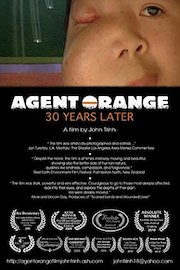
Agent Orange: 30 Years Later is a documentary film that delves into the lasting impact of Agent Orange, a chemical defoliant used by the United States military during the Vietnam War. Released in 2008, the film critically examines the consequences of this wartime decision, focusing on the health and environmental repercussions that have persisted for decades.
Set against the backdrop of the Vietnam War, the film opens with a historical overview of Agent Orange's deployment by the U.S. military. The viewers are introduced to the chemical's intended purpose: to eliminate foliage that provided cover for enemy troops. However, the film quickly transitions to the darker side of this military strategy, highlighting the toxic nature of the herbicide, which contains dioxin—a potent carcinogen known for its severe health effects.
In its exploration, Agent Orange: 30 Years Later emphasizes personal narratives and testimonies from Vietnamese people who have been directly affected by the chemical exposure. The film presents emotionally gripping accounts from both veterans and civilians, detailing their struggles with health issues like cancer, birth defects, and other chronic ailments attributed to Agent Orange. These personal stories provide a powerful lens through which the viewer can understand the human cost of chemical warfare, transcending the statistics and abstract discussions often found in historical military analyses.
Throughout the documentary, the filmmakers also address the long-term ecological effects of Agent Orange on the Vietnamese landscape. The film portrays haunting images of deforested areas and contaminated soil, illustrating how the environmental ramifications of the chemical’s use continue to affect biodiversity and the livelihoods of those who depend on the land for survival. The lasting scars on the environment serve as a stark reminder of the interconnectedness of human actions and ecological stability.
The documentary also explores the ongoing challenges faced by victims of Agent Orange, including the stigma associated with their suffering and the inadequate response from various governments and organizations. It sheds light on the struggles for recognition and justice, highlighting advocacy movements aimed at addressing the health impacts and seeking reparations for victims. The film chronicles the efforts of activists and non-governmental organizations that work tirelessly to bring attention to these issues, providing a voice to those who have been marginalized in the discourse surrounding the war and its aftermath.
In addition to personal stories from affected individuals, Agent Orange: 30 Years Later incorporates interviews with experts, including medical professionals, historians, and environmental scientists. These interviews provide an analytical framework for understanding the complex interplay of military decisions, governmental policies, and social justice. The film not only recounts the personal experiences of the victims but also situates these narratives within broader socio-political contexts, prompting audiences to reflect on their implications on global health and warfare ethics.
The cinematography in the film enhances its emotional depth. It offers a juxtaposition of serene landscapes and visceral reminders of destruction, portraying both the natural beauty of Vietnam and the scars left by war. The visuals serve to intensify the poignant stories being shared, immersing viewers in the reality of those affected by Agent Orange.
Agent Orange: 30 Years Later does not shy away from addressing controversial subjects, including the responsibility of the U.S. government and military, the pharmaceutical companies involved in producing the chemicals, and the challenges of accountability. The documentary’s tone is critical yet compassionate, aiming to educate viewers not only on the historical events surrounding the use of Agent Orange but also on the importance of acknowledging the ongoing suffering of its victims.
By weaving together personal testimonies, expert insights, and historical context, the documentary crafts a narrative that is both heart-wrenching and thought-provoking. It prompts viewers to confront uncomfortable truths about the legacy of chemical warfare and challenges them to consider the moral implications of such practices.
Overall, Agent Orange: 30 Years Later serves as a vital reminder of the past and its enduring influence on the present. As it illuminates the complexities of war, health, and justice, the film urges a collective reckoning with history—a call to remember those affected, to listen to their stories, and to strive for a more just future in which the lessons learned from the past guide our actions moving forward. The documentary is an essential watch for anyone interested in understanding the broader impacts of war on human lives and the environment, making it a significant entry in the discourse surrounding military history, environmental justice, and health advocacy.