

Afghanistan's Opium Trail
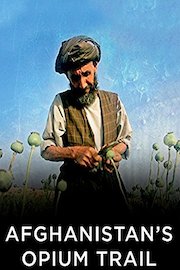
Afghanistan's Opium Trail
 7.9/10
Where to Watch Afghanistan's Opium Trail

The 2007 documentary, Afghanistan's Opium Trail, is a deeply investigative work that dives into the heart of Afghanistan's booming opium industry - a taboo topic with global implications. Strategically located between the Eastern and Western worlds, this film provides an unfiltered gaze into the microcosm that sustains approximately 90% of the world's opium demand. The gritty and potent depiction of the opium trade underscores the far-reaching implications of this underground industry, from the rural farmers in Afghanistan to the global drug traffickers and users in the Western world.
The documentary is a product of unwavering dedication by a committed team of filmmakers who venture into the core of Afghanistan, braving unpredictable encounters with drug lords and farmers alike. They step into the chaos, violence, and desperation that fuel this clandestine opium trail, revealing the raw realities that TV news and headlines fail to capture. This journey brings audiences face-to-face with the disturbing reality of the dangerous business of opium cultivation, processing, and trafficking. From the war-ridden fields of poppy cultivation to the highly risky opium houses, the film captures every level of this nefarious food chain, an industry that continues to thrive despite global war on drugs.
The narrative takes a deep dive into Afghanistan's rural heartlands, where poverty-stricken farmers are ensnared in a vicious cycle of poppy cultivation driven by economic hardships and the absence of viable alternatives. It delves into the dark reality of how these farmers, grappling with poverty and war, are forced to barter their futures for the promise of an opium harvest. However, the film does not limit its focus only to the desperately poor farmers being exploited. It also paints a complex and textured portrait of the drug lords, smuggling operators, and international crime syndicates that feed off this ruthless trade.
Afghanistan's Opium Trail does not shy away from the harrowing aspects of the illicit opium business. It confronts the harsh reality of addiction, exploring how opium has seeped into the local society, blighting generations with unending cycles of dependency and economic desolation. This aspect of the film is particularly eye-opening, as it presents firsthand accounts of Afghans caught in the grip of addiction, thereby humanizing a problem frequently depersonalized in media.
At times distressing and other times purely educational, the documentary pays homage to investigative journalism and the documentary form. Despite the substantial risks involved in creating such a film in one of the most dangerous places on earth, it manages to remain balanced and immersive. Using a mix of interviews, hidden camera footage, and direct observational methods, the filmmakers present a well-rounded picture of an economy that thrives in despair and uncertainty.
Furthermore, the film's accounts of the ineffective war on drugs and the convoluted geopolitics surrounding it add another layer of understanding to the issue. The documentary examines the unintended consequences of international military interventions and policies, casting a critical eye on the broader geopolitical factors that have fostered a climate conducive for the thriving opium trade.
Afghanistan's Opium Trail manages to be both personal, showing the impact of the trade on the lives of ordinary Afghans, and political, examining the larger dynamics at play. It serves as a raw, chilling reminder of the devastating consequences of the opium trade, not only on its direct victims but on global society.
This documentary is not just a journey through the grim realities of an industry often shrouded in secrecy and denial, it's a valuable resource for those seeking to understand the depth and breadth of Afghanistan's opium problem and its widespread ramifications. Thought-provoking, enlightening, and deeply harrowing, Afghanistan's Opium Trail is a significant milestone in the realm of investigative journalism. It is more than just a documentary – it is an avenue that sparks dialogue and compels its viewers to confront a global issue that too often goes unseen and unspoken.
7.9/10