

A Visit to Peek Frean & Co.
A Visit to Peek Frean & Co.
 6.2/10
Where to Watch A Visit to Peek Frean & Co.

Released in 1906, A Visit to Peek Frean & Co. is an extraordinary documentary-style film unfolding in a silent black and white narrative. This unique historic cinema gave moviegoers a glimpse of the operations inside the Peek Frean & Co. biscuit factory, an industry that was booming at the height of the British Empire during the industrial era.
The film is a treasure trove of historical significance, as it documents the everyday jobs of individuals occupied in the factory. Baked crisply into its narrative are images of people engrossed in different tasks - seeming quite ordinary in the present day and age but are quintessential imprints of the past. It sketches the toilsome tasks intricately carried out by the hardworking proletariat of Peek Frean & Co., bringing the historical humdrum of the mundane back to life.
This compelling visualization is a result of the fertile collaboration between the Gaumont British Picture Corporation, known for their long line-up of classic films, and Charles Urban, a critical figure in early cinema history. This collaboration allowed the viewers of the time to discover the life behind the scenes at one of London's most celebrated biscuit factories, making them a part of the industrial revolution right from their viewing seats.
The movie’s narrative wanders around the factory, their machinery and workers in action, hence, unraveling the integral processes of biscuit manufacturing. Rather than presenting a structured narrative or adopting conventional storytelling norms, the film serves as a visual tour, allowing the viewers to actively engage with the business enterprise's inner workings.
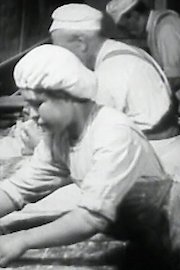
A Visit to Peek Frean & Co. is rich with images of people working diligently in a dynamic environment. The cinema captures everything from the workers’ sophisticated dance with the enormous early 20th-century machinery, to manually handling raw materials and assembly lines, to the packaging of its final product.
As you delve deeper into its frames, the film's lack of background scores and dialogues becomes irrelevant due to the fascinating motion picture revelation. Its silence contrasts sharply with the hustle and bustle it seeks to capture, making its depiction even more profound. The silence in the frames prompts focus towards the mechanics of the industrial processes, casting the factory's rhythmic cacophony imaginatively in the viewer's mind.
This film doesn't solely focus on the process but also on the people critical to these processes. It features women in their uniformed attire, diligently shaping and molding the biscuits, offering a glimpse at the significant role they played in these emerging industries. Amid the clinking machinery and silently bustling workers, one can't ignore the director's subtle nod towards gender roles of the time and the rise of women's labor in the early 20th-century workforce.
It's interesting to note that this historical journey is not only confined within the factory walls but also gives a peek into the social nuances of the era. The cheerful countenance of the children eating biscuits and the excitement that vibrates on their innocent faces suggest the joy and popularity the Peek Frean brand brought among its consumers.
A Visit to Peek Frean & Co. is hence, more than just a movie. It is a brilliant historical document that provides insight into industrial processes, labor conditions, and societal implications linked with the industrial revolution at the start of the twentieth century. It introduces viewers to a world not easily accessible but integral to their daily lives, creating a profound connection between the consumer and the product.
Overall, this film is a rare adventurous odyssey that transports viewers back in time. It’s a trip that draws the curtain from the delightful cookie experience, capturing every stage of transforming simple ingredients into delectable biscuits one enjoys with their tea. Carefully crafted from beginning to end, A Visit to Peek Frean & Co. stands as not only a historical artifact but as a cinematic endeavor, visually as enticing as the crunchy biscuits themselves.
6.2/10