

A Tale of Two Cities
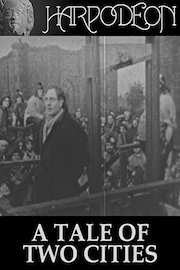
A Tale of Two Cities

Where to Watch A Tale of Two Cities

The 1911 silent film adaptation of Charles Dickens' classic novel "A Tale of Two Cities," directed by notable filmmaker J. Stuart Blackton, brought the moving narrative to life on the silver screen. Silent film stars Maurice Costello and Florence Turner headlined the film, giving memorable performances that would stand the test of time.
The film is a profound exploration of the human condition set against the backdrop of tension-laden revolutionary Paris and calm, unperturbed London. As the story unfolds, the viewers are presented with two starkly contrasting societies, one teetering on the brink of chaos and the other entrenched in a seemingly peaceful existence.
With Maurice Costello playing the dual roles of Charles Darnay and Sydney Carton - two men who, despite living in different societies and occupying contrary circumstances, share an uncanny resemblance - the movie delves into themes of duality, sacrifice, and love. His performance is genuinely compelling, polarizing the two characters in a manner that adds depth while retaining their connection.
Florence Turner's performance as Lucie Manette is a testament to her talent. Despite having no dialogues owing to the silent nature of the film, she effectively communicates Lucie's emotional turmoil and the complexity of her character. Her interactions with Darnay and Carton further underline the love triangle aspect of the story, adding another layer of intrigue to the film.
The film is commendable for its ambitious scope, attempting to render the complexities of the French Revolution on screen during a time when filmmaking techniques were in their infancy. The scenes of revolution were captured with a vivid realism that gave the cinematic experience a profound intensity. The movie beautifully marries intimate character arcs with larger-than-life historic events, producing a rich and layered narrative that is characteristic of Dickens' storytelling style.
The director has successfully brought to life the eerie quiet contrast of London, where social injustice is hidden beneath the surface, set against the volatile and turbulent France, where the same societal ills have ignited an all-encompassing revolution. This variance sets the ideal stage for the two cities' tale to unravel.
A significant strength of this film lies in how effectively it visualizes the stark differences between these two cities, hence thoroughly justifying the title of the movie.
While the film revolves around these central characters, it also hosted an array of supporting characters, each featured in their unique and vital roles. All characters, central and peripheral, were brought to life with gripping performances that reproduced the depth of Dickens' narrative style.
In its thematic exploration, the movie does not stop at love and sacrifice alone, but also addresses the social disparities leading to civil unrest flawfully. These broader social issues, incorporated into the storyline through the brilliant performances by the cast, draw the audience into the era of revolution and societal awakening.
The film's plot is characteristically Dickensian in nature, with its dramatic twists and turns reminiscent of the original narrative. The atmosphere of suspense and anticipation are successfully sustained throughout the film, keeping the audience on their toes.
One of the earliest adaptations of Dickens' work, this silent film deserves praise not only for its groundbreaking storytelling but also for its significant contribution to the evolution of cinema. "A Tale of Two Cities" is a standout example of narrative cinema and offers a unique glimpse into the silent film era.
In conclusion, A Tale of Two Cities is a must-watch for any silent film enthusiast or Charles Dickens' fans. The performances delivered by Maurice Costello and Florence Turner alongside the rest of the cast are central to the movie's success, bringing Dickens' characters to life. The intricate plot and contrasting settings make this film a timeless and dramatic portrayal of love, sacrifice, and social revolt. This early cinematic gem succeeds in visually encapsulating the essence of Dickens' narrative in an impressively authentic manner. Without a doubt, "A Tale of Two Cities" stands as a significant contribution to the silent film era that shouldn't be missed.