

A Day in the Life of a Coalminer
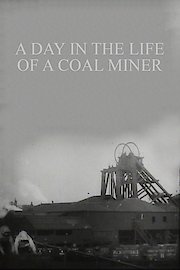
A Day in the Life of a Coalminer
 6.3/10
Where to Watch A Day in the Life of a Coalminer

'A Day in the Life of a Coalminer' is a pioneering British documentary film of the silent era, released in 1910. Directed by Charles Urban, the film is a deeply engrossing account of the arduous lifestyle of a coal miner in the early 20th century. Although silent, it speaks volumes about the harsh realities faced by manual laborers of that era. The gripping narrative captures not just the toil and turmoil of the working class but is also a testament to their spirit and strength.
This silent black & white short film is a vivid portrayal of what a typical day in the life of a coalminer looked like in the early 20th century. Unlike the grandeur of movies that were commercially popular in 1910, 'A Day in the Life of a Coalminer' is raw, real, and undeniably evocative. It acts as a time capsule, taking the viewers back over a hundred years ago, to a world that was starkly different yet relatable to our present times. Mining, with its inherent dangers and daily toil, is laid bare with a stark and grim authenticity that shakes the viewer to the core.
The film starts with the coalminer waking up before daybreak and having a meager breakfast with his family. It holds up a mirror to the innocence of domestic life against the gritty reality of his job. There is a poignant scene where he bids goodbye to his family, a stark reminder of the mortality that lurked with every descent into the coal mine.
Deep inside the mine, the miner works with primitive tools and equipment in the claustrophobic black tunnels he calls his workplace. The movie doesn't shy away from documenting the weariness and fear etched on his face. Still, it also captures the determination and perseverance to fulfill his duty and feed his family. Later, it provides a harrowing view of the perils of the profession, showcasing the dark, dangerous working conditions endured by the miners.
The coalminer emerges from the pit covered in soot and fatigue, underlining the exhaustion and relief on his face. Yet there is a quiet strength and satisfaction that highlights the spirit of the working man. The film ends with the miner returning home to his family, the warmth, and intimacy providing a stark contrast to the cold, dark mine. The depth of relief, the joy he extracts from the simple pleasures of life, and the love he has for his family, all skilfully captured, pull at the viewers' heartstrings.
In just 10 minutes, 'A Day in the Life of a Coalminer' manages to encapsulate a world filled with hardships, perseverance, and subtle joys. It tells a story of the common man's life and struggles, making it a poignant narrative of human resilience and endurance. Despite its age, the film still holds a timeless appeal and continues to engage the audience effectively with its powerful storytelling.
Over the years, 'A Day in the Life of a Coalminer' has earned praise as an early example of social realism in cinema. With a strong visual style compensating for its lack of sound, it subtly subverts the romanticized version of work presented in many contemporary productions and delivers a laborer's raw and unfiltered perspective.
Furthermore, this silent gem is a historical depiction of the living and working conditions of miners not long after the Industrial Revolution. Its cultural, historic, and sociological significance cannot be overstated, as it provided a stepping stone for countless similar documentaries and films over the next century and more. The emotional storytelling and humanistic approach have inspired filmmakers and audiences alike, encouraging the exploration of such real-life stories to a broader audience.
In conclusion, 'A Day in the Life of a Coalminer' is a pioneering slice of cinematic history that showcases the hardscrabble lives of coal miners in the early twentieth century. Even in its brevity, it captures the essence of an era, offering viewers an uncompromising look at a bygone workforce's courage and resilience.
6.3/10