

A Dangerous Idea: In the Name of the Gene
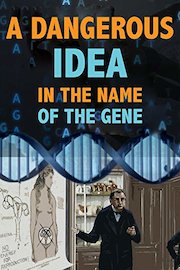
A Dangerous Idea: In the Name of the Gene

Where to Watch A Dangerous Idea: In the Name of the Gene

A Dangerous Idea: In the Name of the Gene is a documentary that explores some of the most controversial and challenging ideas of the 20th and 21st centuries, creating an intriguing discourse on the evolving notions of genetics, eugenics and their societal impact. The documentary is a challenge to both scientific and societal perspectives offering a complex analysis of the eugenic implications of genetic research.
The film title itself is already a telling indication of the controversial subject matter the movie delves into, heightening audience curiosity from the get-go. It dares to wrestle with the grim realities of eugenics and the influential individuals who pursued the perilous ideology, an ideology that categorizes individuals based on their genetic makeup and propounds the idea that certain genes are deemed superior to others.
The underlying message of the film is alarming, but fascinating. It explores the many hidden facets of genetic science, attempting to interrogate our understanding of human nature. It underscores the correlation between the gene and the multifaceted complexities of its function, examining how society may be influenced by the notion of genetic superiority.
A Dangerous Idea boasts many leading intellectuals who tackle these topics head-on. Scientists, historians, sociologists, and even victims of eugenics share their insights to expose a dark chapter of human history and ongoing misconceptions about genetics. The interviews are both enlightening and enlightening, making complex topics accessible and illuminating the real-world consequences of these dangerous ideas.
One of the highlights of the film is its comprehensive investigation of the shrouded history of eugenics in America, hitting home the fact that these controversial beliefs were not confined to notorious regimes such as Nazi Germany. The film does a fantastic job of tying these historical events into present-day concerns about genetic determinism and genetic engineering.
At the core of the movie is the exploration of the social implications of the genetic determinist view, a viewpoint that sees genes as dictators of our life's path. The movie provides a multifaceted examination of the implications of this perspective and showcases the consequences it has spawned, most notably its deleterious impact on principles of equality and fairness.
While the documentary presents thought-provoking content, it is not merely a lecture or expose. It underscores the challenging nature of this topic through engaging storytelling techniques combined with rigorous research, ultimately allowing the audience to develop a well-rounded perspective on the issue. The filmmakers weave a compelling narrative that is as intellectually stimulating as it is emotionally resonant, providing a revealing perspective on genetics, eugenics, and their societal impact.
A Dangerous Idea: In the Name of the Gene, however, is not a doomsday narrative. Instead, it opens up a platform for discourse and dialogue. It brings the idea of genetic determinism to the mainstream and encourages its audience to grapple with the implications of this belief, urging individuals to question the merit of genetic superiority and understand the dangers it poses.
In stark contrast to the glitz and glam of Hollywood styled productions, this documentary is more about conveying a message, educating the audience about the intertwined spheres of genetics and society, and how their intersection can profoundly affect our perception of humanity.
In summary, A Dangerous Idea: In the Name of the Gene is a candid, thought-provoking film that challenges the audience to wrestle with some of the most fraught questions of genetics and its societal impact. It fascinatingly unravels the contentious issues surrounding genetic determinism, genetic engineering, and the residual beliefs of eugenics. The film is a powerhouse of intellectual thought, interspersed with emotional narratives, and compels its viewers to reflect on the human condition from a whole new vantage point.