
8: The Mormon Proposition

Where to Watch 8: The Mormon Proposition

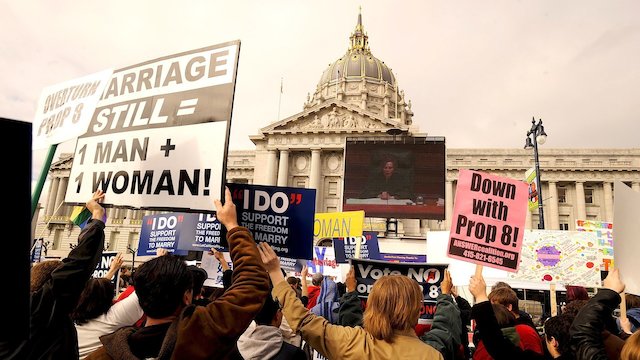
8: The Mormon Proposition is a compelling documentary that delves into the controversial involvement of the Church of Jesus Christ of Latter-day Saints (Mormons) in the campaign to pass Proposition 8, which sought to eliminate the right of same-sex couples to marry in the state of California. Released in 2010, the film is a provocative exploration of religion, politics, and civil rights that touches upon the deep divides within American society regarding LGBTQ+ rights.
Directed by Reed Cowan, a former Mormon missionary, and co-directed by Steven Greenstreet, this incisive documentary is narrated by Academy Award-winning screenwriter Dustin Lance Black, a prominent gay rights activist who is well-known for his work on the film "Milk" and for his involvement in LGBTQ+ advocacy. Both Cowan and Black are themselves gay, which adds personal resonance and an extra layer of depth to their examination of the topic.
At its core, 8: The Mormon Proposition investigates how the Mormon Church became a leading force in the creation, funding, and promotion of Proposition 8. The film reveals an interconnected web of religious influence, grassroots organization, and political strategy, highlighting the fact that the church allegedly encouraged its members to contribute both financially and through volunteer efforts to support the initiative. It presents interviews with various individuals, including church members, activists, and same-sex couples, weaving a narrative that critiques the church's tactics and the impact of its interventions on the campaign and beyond.
Spencer Jones and Tyler Barrick, a married same-sex couple at the center of the film’s narrative, serve as an emotional linchpin for the documentary, illustrating the human side of the struggle for marriage equality. Their story creates a poignant contrast with the political and organizational juggernaut that they and others faced in the lead-up to the vote on Proposition 8. The personal tales underscore the real-world consequences of such legislative efforts, adding an intimate dimension to what might otherwise be an abstract political issue.
The documentary makes extensive use of archival footage, political ads, internal church documents, and media clips, weaving them into a narrative that paints a detailed picture of the influence that the Mormon Church exerted on the Proposition 8 debate. It takes a particular look at the outsize financial contributions made by Mormons to the "Yes on 8" campaign, estimating that these constituted a significant percentage of the total funds raised to support the proposition.
8: The Mormon Proposition also addresses the aftermath of Proposition 8's passage, including the protests, court battles, and ongoing activism that followed. By focusing on the emotional toll the campaign took on LGBTQ+ individuals and their families, the documentary underscores the personal stakes of such political contests and the resilience of those fighting for equal rights.
The film does not shy away from controversy or struggle to remain neutral. Instead, it fervently critiques the actions of the Mormon Church, suggesting that it overstepped the boundaries between church and state and calling into question the ethics of its political activities. The directors present a case arguing that the church's involvement was not just an exercise in religious freedom but a calculated political maneuver with profound implications for American democracy and civil rights.
Through a combination of personal interviews, expert commentary, and investigative research, 8: The Mormon Proposition makes a passionate appeal for understanding and acceptance of LGBTQ+ individuals. It champions the notion that love and equality are fundamental rights that should be available to all, regardless of sexual orientation, and criticizes institutions that seek to undermine those principles.
Due to its release during a time of heightened debate over same-sex marriage in the United States, the documentary serves both as a historical record and as an impetus for conversations about the role of religion in public policy and the ongoing struggle for equality within the LGBTQ+ community. The film contributes to a broader dialogue about the intersection of faith, politics, and individual rights—a dialogue that continues to evolve in the social and legal landscape of the United States and around the world.
8: The Mormon Proposition became a powerful voice in the movement for marriage equality, offering a stirring narrative of resistance and resilience in the face of institutional opposition. It is a film that challenges viewers to consider the cost of political battles on human lives and to reflect on the enduring fight for justice in all its forms.
8: The Mormon Proposition is a Documentary movie released in 2010. It has a runtime of 80 min Critics and viewers have rated it moderate reviews, with an IMDb score of 7.1. It also holds a MetaScore of 55.

