

58: The Film
58: The Film

Where to Watch 58: The Film

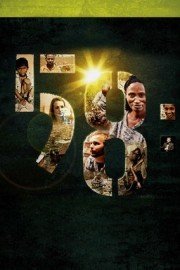
58: The Film is a riveting documentary that takes a deep dive into the challenging issues related to global poverty and injustice. This movie was directed by Tony Neeves and released in October of 2011. It is designed to shed light on the interconnected issues of poverty, modern-day slavery, and social inequality that impact millions of people globally.
The film gets its name from Isaiah 58, a passage in the Bible that points towards God's heart for social justice and the plight of the marginalized. This verse becomes a guiding principle throughout the movie, shaping its narrative structure and concept.
58: The Film takes viewers on an immersive journey across several countries and continents like South Korea, Ethiopia, Kenya, the United States, and India. As it presents the harsh realities of these issue-ridden communities, it encourages the audience to face these challenging circumstances head-on.
The main themes of the movie are broken down into specific episodes. Each part focuses on a particular country and examines a distinct issue related to poverty and social justice in that region. For example, one part of the movie focuses on HIV/AIDS in Swaziland, and how it's leading to a generation of orphaned children. This film also delves into topics like child labour in India, childhood malnutrition in Peru, and the strength of faith amidst poverty across the globe.
The movie takes an intimate and sensitive approach to documentary filmmaking. Despite highlighting harsh realities, it doesn't just present a doom and gloom perspective. Instead, 58: The Film also elevates the stories of resilience, compassion, and positive change happening in these communities. It shares inspiring stories of ordinary people who are standing up against social injustices and who work tirelessly towards creating a better life for themselves, their families, and their communities.
A crucial aspect of this film is its strong religious undertone. It sees faith as a potent force of transformation and change in the face of adversity. It encourages its audience, who shares the same faith, to channel their beliefs toward compassionate action for social justice.
The effective use of real-life footage, interviews, and evocative storytelling in 58: The Film makes each story and individual stand out, effectively humanizing the vast issue of global poverty. This movie harnesses the persuasive power of visuals and narrative to not only inform viewers about worldwide poverty issues but provoke a sense of responsibility and spur action.
58: The Film invites us to see beyond our comfort zones and acknowledge the harsh realities experienced by the less fortunate across the world. It breaks down complex, heavy subjects into understandable and relatable segments, allowing the audience to grasp the severity and scale of these issues.
The movie balances its portrayal of bleak realities with stories of hope, resilience, and change, which serves dual purposes. On one hand, it gives voices to the marginalized, showing that they are not mere statistics; they are people with dreams, strengths, and aspirations. On the other hand, it is a call to action, showing viewers that change is possible, and collective action can indeed lead to significant improvements.
58: The Film is not just a piece of art but a potent advocacy tool. It is a catalyst for sparking discussions and propelling action towards a true change. It weaves together a compelling visual narrative with deeply personal stories to create a thoughtful and moving portrayal of global poverty.
The movie conveys a clear message: True change is possible, but it begins with awareness and action. It pushes viewers to dig deeper into the understanding of poverty and opens a pathway towards active involvement in fighting against inequality. With its empathetic storytelling and eye-opening truths, the film truly serves as an inspiration for viewers to bring about the change they wish to see.
In conclusion, 58: The Film offers an unforgettable journey in understanding poverty, faith, and the hope for change. It is not just a documentary that informs - it is a film that inspires compassion and prompts active participation. For anyone passionate about social justice or those seeking to reinforce their faith through acts of social good, this film is undoubtedly a must-see.