
2012: Time for Change
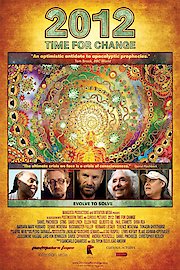
2012: Time for Change
"Evolve to Solve!"
 6.9/10
Where to Watch 2012: Time for Change

2012: Time for Change, directed by João Amorim, is a thought-provoking and insightful documentary that was released in 2010. This feature-length film employs a unique mixture of animation and interviews to delve into the subjects of sustainability, consciousness, and culture, all wrapped in the context of mankind’s quest for spiritual and social evolution.
The heart and soul of 2012: Time for Change is writer Daniel Pinchbeck, who also serves as the film's creative guide. Pinchbeck is best known for his explorations into hallucinogenic substances and the cultures that surround them, and he brings this unique perspective to the center of the documentary.
The film stands out for the innovative way it leverages interviews with a variety of artists, activists, scientists, and thinkers. These include the likes of notorious Canadian author Maude Barlow, who is a noteworthy advocate for water rights, and permaculture designer and environmental consultant Ariane Burgess. These individuals and many more provide thought-provoking discussions and educated arguments about the potential crisis we are facing and the possibility for us to respond.
One branch of the film ventures into the world of eco-design with pioneers such as biologist Janine Benyus and architect Greg Lynn. Providing a blend of tangible, constructive solutions with visionary ideas and heartening optimism, these leading voices in the conversation around climate change and sustainability give the film an engaging, practical edge.
The 2012 prophecy of the Mayan calendar serves as a jumping-off point and narrative thread for the film, which examines various interpretations of this prophecy, including the more apocalyptic. However, the main stance of the documentary is not one of fear and desperation but of enlightened optimism. The filmmakers suggest that, perhaps, this “end of times” prophecy does not indicate a literal end, but rather the end of an era of unconsciousness and the dawn of a new era of enlightenment and unity.
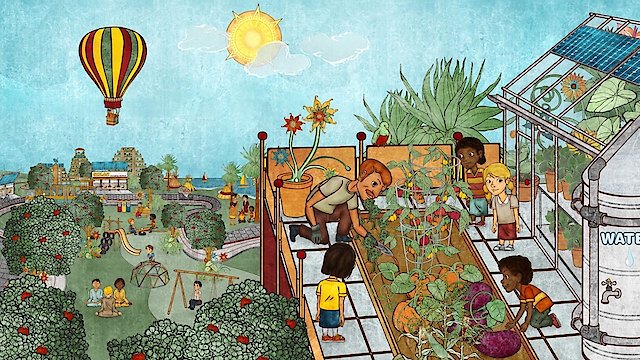
Uniquely, animation sequences are used to illustrate some of the more abstract concepts. Serving as much more than just eye-catching visual aids, these animated sequences provide a storytelling vibe and help make complex ideas and theories more digestible for the audience.
2012: Time for Change also steps into the spiritual and metaphysical aspects of consciousness, featuring interviews with eminent Eastern and Western spiritual leaders, such as the Dalai Lama, and psychedelic pioneer, Terence McKenna. The film also provides affirmative glimpses into the power of meditation and yoga and their profound effects on spiritual growth and awakening.
One of the documentary's main messages is the idea that change starts with an individual level of consciousness, which can then extend and manifest into a collective societal change. It suggests that this shift in perception can significantly help in combating and adapting to the significant environmental and sociopolitical challenges that we face today.
Overall, 2012: Time for Change serves as a forward-thinking, enlightening, and optimistic exploration of the societal changes we could enact facing a potentially transformative era. It advocates revolution through consciousness, presenting a hopeful view centered on spiritual growth, sustainable development, and a united sense of community. This film is beneficial for those seeking knowledge about environmental sustainability and pivoting towards a more holistic and conscious approach to our world's current and future condition. By addressing issues both timeless and immediate, it offers a layered, mature approach to the many contradictions and challenges we face as a planet.
The documentary moves beyond simple discussion, offering proactive, real-world solutions to issues like climate change, economic instability, and societal division. Combining the ideas of the world's thought leaders, the film not only identifies the problems but also provides a possible course of action—an impetus to move towards a more sustainable, compassionate, and conscious future.
6.9/10