

Reading Biblical Literature: Genesis to Revelation
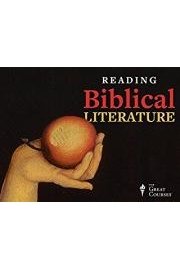
Reading Biblical Literature: Genesis to Revelation

Seasons
36.
Revelation€™s Vision of New Creation
2016-11-01
[Revelation] Conclude the course with a lecture on perhaps the most evocative, unsettling, and yet hopeful book in the Bible: Revelation. After considering the narrative€™s vivid word pictures, dramatic plot, and unforgettable characters, you€™ll see how Revelation fits into a comprehensive, informed reading of the entire Bible.
Watch Reading Biblical Literature: Genesis to Revelation Season 1 Episode 36 Now
35.
Letters for Sojourners
2016-11-01
[Hebrews, James, 1 Peter] Paul wasn€™t the only letter writer in the New Testament. Join Professor Koester for a discussion of the books of Hebrews, James, and 1 Peter, which sought to comfort and inspire early Christian outsiders through keeping the faith, focusing on integrity, and questioning what it means to €œbelong.
Watch Reading Biblical Literature: Genesis to Revelation Season 1 Episode 35 Now
34.
Paul on Gender Roles and Slavery
2016-11-01
[Philippians, Philemon, Ephesians, 1 Timothy] What did Paul have to say about women and about slaves? We find different viewpoints in the letters known as Philippians, Philemon, Ephesians, and 1 Timothy.
Watch Reading Biblical Literature: Genesis to Revelation Season 1 Episode 34 Now
33.
Freedom and the Law in Paul€™s Letters
2016-11-01
[Galatians, Romans] Continue your exploration of Paul€™s letters, this time by studying the correspondence he wrote to the Galatians and the Romans. In these letters, you€™ll find some of Paul€™s most provocative ideas about freedom and law-ideas that would play a profound role in shaping subsequent Christian communities.
Watch Reading Biblical Literature: Genesis to Revelation Season 1 Episode 33 Now
32.
Paul's Letters to a Community in Conflict
2016-11-01
[1 and 2 Corinthians] While in Ephesus, Paul wrote letters now known as 1 and 2 Corinthians to the Christian community of Corinth. Here, unpack the four major sections of these two iconic letters to a conflicted community, which offer insights into Paul€™s views on the cross, the Holy Spirit, the resurrection, and reconciliation.
Watch Reading Biblical Literature: Genesis to Revelation Season 1 Episode 32 Now
31.
Paul and the Roman Empire
2016-11-01
[Acts 17-28, 1 Thessalonians] Paul€™s travels to cities like Corinth and Philippi, and his letters to the Christian communities there, offer a lens into the relationship between early Christianity and the Roman Empire. From conflicts between Jesus€™s kingship and Roman imperial rule to the events of Paul€™s imprisonment, consider some narrative and spiritual challenges faced by the writer of Acts.
Watch Reading Biblical Literature: Genesis to Revelation Season 1 Episode 31 Now
30.
Paul€™s Calling
2016-11-01
[Acts 9-17] One of early Christianity€™s most controversial figures is Paul. In this look at the apostle€™s life and mission, you€™ll learn how to see his preaching as an extension of older biblical texts and an attempt to connect the new Christian faith to other belief systems and patterns of life.
Watch Reading Biblical Literature: Genesis to Revelation Season 1 Episode 30 Now
29.
The Early Church in Acts
2016-11-01
[Acts 1-10] Turn to subsequent texts of the New Testament, which take up the struggle to understand Jesus and what it means to live by his message. The Acts of the Apostles, you€™ll find, is a fascinating narrative that shows the Christian community being transformed as it welcomed Jews, Greeks, and Romans.
Watch Reading Biblical Literature: Genesis to Revelation Season 1 Episode 29 Now
28.
Self-Giving Love According to John
2016-11-01
[John 13-21] If Jesus is the giver of life, how does his crucifixion fit into the New Testament€™s larger spiritual narrative? To consider this question, you€™ll have to find new ways to think about events like the Last Supper, the Farewell Discourses, the crucifixion itself, and the story of doubting Thomas.
Watch Reading Biblical Literature: Genesis to Revelation Season 1 Episode 28 Now
27.
John on the Word Made Flesh
2016-11-01
[John 1-12] In the first of two lectures on the gospel of John, probe the first 12 chapters of this book€™s poetic prose, which takes readers back to the dawn of time. What does it mean for Jesus to embody the word of God in the flesh?
Watch Reading Biblical Literature: Genesis to Revelation Season 1 Episode 27 Now
26.
Luke on a World Upside Down
2016-11-01
[Luke] The gospel of Luke is home to some of the New Testament€™s best-loved passages. Here, Professor Koester asks you to consider the more subversive dimensions of Luke€™s narrative.
Watch Reading Biblical Literature: Genesis to Revelation Season 1 Episode 26 Now
25.
The Dynamics of Forgiveness in Matthew
2016-11-01
[Matthew] Learn how Matthew reshaped the story of Jesus in startling new ways, specifically with its ideas on forgiveness. Start by confronting Jesus€™s relationship to Israel€™s heritage.
Watch Reading Biblical Literature: Genesis to Revelation Season 1 Episode 25 Now
24.
Mark on the Crucifixion and Resurrection
2016-11-01
[Mark 11-16] Continue examining the gospel of Mark, this time focusing on the infamous trial and crucifixion of the Son of God. Also, consider why this gospel ends so abruptly and how it suggests to readers the mystery of God€™s kingdom-and the role of suffering and sacrifice within it.
Watch Reading Biblical Literature: Genesis to Revelation Season 1 Episode 24 Now
23.
Jesus as Messiah in Mark
2016-11-01
[Mark 1-10] Begin your look the New Testament with the first of several lectures on the four gospels-the narratives of the life, death, and resurrection of Jesus. In Mark (which was likely the first to be written), you€™ll be reintroduced to the powerful story that continues to captivate people around the world.
Watch Reading Biblical Literature: Genesis to Revelation Season 1 Episode 23 Now
22.
Resistance, Adaptation, and the Maccabees
2016-11-01
[1 Maccabees] Dive into Jewish life under Greek rule in the 2nd century BC in 1 Maccabees. View the struggle for Jewish independence as a dramatic story marked by the tension between resistance and adaptation.
Watch Reading Biblical Literature: Genesis to Revelation Season 1 Episode 22 Now
21.
Esther, Daniel, and Life under Empire
2016-11-01
[Esther, Daniel] Delightful and playful, the books of Esther and Daniel tell stories of life under the Babylonian, Median, Persian, and Greek empires. Here, you€™ll learn how these two important biblical heroes respectively illustrate the value of human initiative and the call for resistance against injustice and oppression.
Watch Reading Biblical Literature: Genesis to Revelation Season 1 Episode 21 Now
20.
Jewish Identity and Rebuilding after Exile
2016-11-01
[Ezra, Nehemiah, Jonah] What did it mean to be Jewish after the Babylonian Exile? Professor Koester examines biblical books that offer differing perspectives.
Watch Reading Biblical Literature: Genesis to Revelation Season 1 Episode 20 Now
19.
Ezekiel on Abandonment and Homecoming
2016-11-01
[Ezekiel] Experience the dislocation of the Babylonian Exile with a close reading of the book of Ezekiel€™s perspectives on abandonment and homecoming. You€™ll trace this movement from Chapters 1¬-32 (which castigate the people for abandoning God to idolatry) to Chapters 33-48 (which include stirring visions of renewal).
Watch Reading Biblical Literature: Genesis to Revelation Season 1 Episode 19 Now
18.
Babylonian Conquest and Exile
2016-11-01
[2 Kings, Lamentations, Habakkuk] In 587 BC, the Babylonians destroyed Jerusalem. Explore the trauma of this cataclysmic moment through three biblical books: 2 Kings, which tries to explain the events of the loss of Jerusalem; Lamentations, which gives voice to the anger and grief of exile; and Habakkuk, which helps us come to terms with life€™s unanswered questions.
Watch Reading Biblical Literature: Genesis to Revelation Season 1 Episode 18 Now
17.
Jeremiah on Anguish and Compassion
2016-11-01
[Jeremiah] The book of Jeremiah takes as its goal the reconciliation between God and Israel. How does the prophet hope to achieve this?
Watch Reading Biblical Literature: Genesis to Revelation Season 1 Episode 17 Now
16.
Isaiah on Defiant Hope
2016-11-01
[Isaiah] Go beyond the book of Isaiah€™s prophetic imagery to focus on the narrative€™s powerful, lasting visions of hope-and some of its disturbing passages on warfare and injustice. As you€™ll discover, these contradictions offer numerous challenges and rewards for the attentive reader who refuses to give in to despair.
Watch Reading Biblical Literature: Genesis to Revelation Season 1 Episode 16 Now
15.
Justice and Love in Amos and Hosea
2016-11-01
[Amos, Hosea] Discover how the prophets Amos and Hosea shattered the idea of spiritual indifference. First, learn how Amos portrayed a God committed to social justice and a society where people were treated decently.
Watch Reading Biblical Literature: Genesis to Revelation Season 1 Episode 15 Now
14.
Elijah, the Troubler of Israel
2016-11-01
[1 and 2 Kings] Continue on to 1 and 2 Kings and follow the story of the prophet Elijah. You€™ll examine his challenges to the god Baal, his flair for street theater, his tendency toward self-absorption, his earthly departure in a whirlwind, and, most important, his story€™s promise of a new beginning.
Watch Reading Biblical Literature: Genesis to Revelation Season 1 Episode 14 Now
13.
Biblical Wisdom Literature
2016-11-01
[Proverbs, Ecclesiastes, Job] Questions about the meaning of life abound in the Bible€™s books of wisdom literature: Proverbs, Ecclesiastes, and Job. Join Professor Koester as he unpacks each book€™s distinctive character and outlook, the answers it offers to life€™s questions (sometimes straightforward, sometimes nebulous), and its contribution to a fascinating dialogue on how to live.
Watch Reading Biblical Literature: Genesis to Revelation Season 1 Episode 13 Now
12.
Psalms: The Bible's Songbook
2016-11-01
[Psalms] Packed with poems, prayers, and song lyrics, the Bible€™s 150 psalms are an evocative blend of hope, despair, anger, and contemplation. Here, consider the four different types found in the book of Psalms: songs of praise, prayers for help, psalms of gratitude, and psalms expressing trust.
Watch Reading Biblical Literature: Genesis to Revelation Season 1 Episode 12 Now
11.
Solomon, a Study in Contradictions
2016-11-01
[1 Kings 1-11] Throughout the story of Solomon in 1 Kings, splendor and oppression go hand in hand. Were all the impressive results of Solomon€™s monarchy (including his iconic temple) worth the human suffering?
Watch Reading Biblical Literature: Genesis to Revelation Season 1 Episode 11 Now
10.
David and Nation Building
2016-11-01
[2 Samuel] Go beyond the heroic portrayals of David in Western art to reveal the vibrant heart of the fascinating figure described in 2 Samuel. You€™ll read between the lines of David€™s early triumphs, his relationship with God, his infidelity and brutality, and the tragic shattering of relationships within his own family.
Watch Reading Biblical Literature: Genesis to Revelation Season 1 Episode 10 Now
9.
Saul, the Tragic King
2016-11-01
[1 Samuel] Why is the story of King Saul, who united Israel€™s twelve tribes, one of the world€™s great tragedies? Find out in this lecture, which approaches 1 Samuel as a three-act drama recounting Saul€™s rise to power as Israel€™s first king-and the path of his tragic, Shakespearean downfall.
Watch Reading Biblical Literature: Genesis to Revelation Season 1 Episode 9 Now
8.
Violence and Kindness in the Promised Land
2016-11-01
[Joshua, Judges, Ruth] Turn now to Joshua, Judges, and Ruth, which challenge the idea of the Promised Land as a place of simple peace and prosperity. In comparing these three books, you€™ll witness disturbing accounts of violent conquest and explore the tragic consequences of that violence, and yet you€™ll also encounter remarkable instances of acceptance and welcome of foreigners.
Watch Reading Biblical Literature: Genesis to Revelation Season 1 Episode 8 Now
7.
Israel€™s Wandering in the Wilderness
2016-11-01
[Leviticus, Numbers, Deuteronomy] Leviticus, Numbers, and Deuteronomy-three biblical books everyday readers find challenging to read and relate to their own lives. But with Professor Koester€™s insights, you€™ll come to see these books (with all their strange ancient rituals) as vital to a complete understanding of the Bible€™s narrative movement from Mount Sinai to the edge of the Promised Land.
Watch Reading Biblical Literature: Genesis to Revelation Season 1 Episode 7 Now
6.
Freedom and Law at Mount Sinai
2016-11-01
[Exodus 16-40] What happens after an enslaved people are set free? How is freedom lived out? Continue exploring Exodus with chapters 16 40, in which ancient laws and ideas of freedom begin to take root. Along the way, you€™ll study different interpretations of €œmanna€ and break down the different groupings of the Ten Commandments.
Watch Reading Biblical Literature: Genesis to Revelation Season 1 Episode 6 Now
5.
Moses and the Drama of the Exodus
2016-11-01
[Exodus 1-15] Both encouraging and threatening, Exodus 1 15 is one of the Bible€™s most thrilling stories. First, consider the story€™s literary setting (and its surprising humor).
Watch Reading Biblical Literature: Genesis to Revelation Season 1 Episode 5 Now
4.
Jacob, Joseph, and Reconciliation
2016-11-01
[Genesis 25-50] According to Professor Koester, the biblical stories of Jacob and Joseph are rooted in perennial themes of familial conflict and reconciliation. In this lecture, ponder the significance of disguises and dreams: how they propel the narrative forward and how they reflect the underlying mystery of God€™s will.
Watch Reading Biblical Literature: Genesis to Revelation Season 1 Episode 4 Now
3.
Abraham, Sarah, and the Promise
2016-11-01
[Genesis 12-25] Abraham€™s spiritual legacy is nothing short of profound. Delve into the biblical text and consider how Israel€™s patriarch is portrayed in Genesis 12¬¬ 25.
Watch Reading Biblical Literature: Genesis to Revelation Season 1 Episode 3 Now
2.
Creation and Chaos in Genesis
2016-11-01
[Genesis 1-11] Travel back to biblical accounts of the dawn of time in Genesis and start to think critically about how its stories work as a narrative. By unpacking familiar tales from the book€™s first 11 chapters, you€™ll gain a fresh perspective on how God creates, destroys, confuses, and renews.
Watch Reading Biblical Literature: Genesis to Revelation Season 1 Episode 2 Now
1.
The Bible as Dialogue
2016-11-01
Start your immersive journey into the books of the Old and New Testaments with this illuminating introductory lecture. By breaking down the Bible into its different books and narrative styles, you€™ll start to think of it not as a single book-but rather as a fascinating dialogue spanning centuries.
Watch Reading Biblical Literature: Genesis to Revelation Season 1 Episode 1 Now

Reading Biblical Literature: Genesis to Revelation is a series categorized as a new series. Spanning 1 seasons with a total of 36 episodes, the show debuted on 2016. The series has earned a no reviews from both critics and viewers. The IMDb score stands at undefined.
How to Watch Reading Biblical Literature: Genesis to Revelation
How can I watch Reading Biblical Literature: Genesis to Revelation online? Reading Biblical Literature: Genesis to Revelation is available on The Great Courses Signature Collection with seasons and full episodes. You can also watch Reading Biblical Literature: Genesis to Revelation on demand at Prime, Prime Video, Apple TV Channels, The Roku Channel online.
Genres
Channel
The Great Courses Signature Collection
Cast
Craig R. Koester
Stream shows like Reading Biblical Literature: Genesis to Revelation
Top TV Shows
Also on The Great Courses Signature Collection