

What Mercy Looks Like
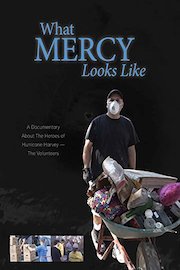
What Mercy Looks Like

Where to Watch What Mercy Looks Like

What Mercy Looks Like is a poignant drama that delves into the intricacies of human compassion, the struggle for redemption, and the harsh realities faced by those living on the fringes of society. Set against a backdrop of personal crises and societal issues, the film explores the intertwined lives of its characters, each grappling with their own demons while seeking understanding and connection in a world that often seems indifferent to their plight.
The film primarily revolves around the experiences of Jamie, a young woman whose life takes a dramatic turn when she becomes embroiled in circumstances that challenge her morals and sense of self. Jamie is portrayed with depth and vulnerability, allowing audiences to resonate with her journey as she navigates the complexities of her relationships and the stark realities of life. The narrative expertly captures her emotional turmoil, illustrating how her experiences shape her worldview and empower her to confront her challenges.
As Jamie embarks on her transformative journey, she encounters a spectrum of characters, each reflecting different facets of society. From friends and family to strangers who touch her life in unexpected ways, these interactions push Jamie to reevaluate her priorities and the choices she makes. The film skillfully weaves together the stories of these characters, creating a rich tapestry of interconnections that highlights the theme of mercy and the human capacity for care and support, even in the most challenging circumstances.
One of the film's central themes is the exploration of mercy itself. What does it truly mean to show mercy? How can individuals extend compassion in the face of adversity? These questions are core to the film's narrative, prompting viewers to reflect on their perceptions of forgiveness and understanding. Through Jamie's interactions, the audience begins to recognize the profound impact that a single act of kindness can have on a person's life, sparking a chain reaction of change.
The cinematography of What Mercy Looks Like enhances the emotional gravity of the story. The film uses a variety of visual techniques to immerse viewers in the characters' experiences, contrasting moments of intimacy with broader societal criticisms. The setting itself becomes almost a character within the story, capturing the stark realities of urban life and the struggles that come with it. This choice of backdrop serves as a constant reminder of the challenges faced by those marginalized in society, reinforcing the film's central message about the importance of compassion.
As Jamie confronts her past and strives to move forward, the film also addresses the complexities of forgiveness—both of oneself and of others. It poses challenging questions about accountability and the implications of one’s actions, showcasing the hurdles one must overcome to seek redemption. This exploration is executed with sensitivity and nuance, inviting viewers to consider their own perspectives on guilt, shame, and the possibility of change.
The pacing of the film allows for a deep emotional resonance, giving characters the space to breathe and develop throughout the narrative. Moments of silence and reflection are skillfully integrated into the screenplay, allowing audiences to absorb the weight of Jamie’s experiences and the ramifications of her choices. The performances, particularly that of the lead actress, are grounded and authentic, often evoking a rawness that may leave viewers contemplating the story long after the credits roll.
What Mercy Looks Like also tackles the theme of community, showcasing how bonds can form in the most unexpected places. Jamie’s relationships with other characters illustrate the power of shared experiences and the importance of supporting one another through hardship. The film presents a compelling argument for the significance of community in fostering healing and growth, highlighting that individuals are often stronger together than apart.
In conclusion, What Mercy Looks Like is an evocative exploration of mercy, forgiveness, and the human experience. Through Jamie’s journey, the film invites viewers to reflect on their own lives and the ways in which they can extend compassion to others. It is a thought-provoking narrative that emphasizes the importance of understanding and connection in a world that can often feel isolating and unforgiving. The film's artistic elements, from its poignant storytelling to its rich character development, create a memorable cinematic experience that resonates with viewers on multiple levels, ultimately inspiring hope and reflection in the face of adversity.