

What Killed Arafat
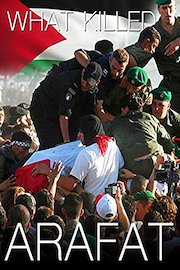
What Killed Arafat

Where to Watch What Killed Arafat

What Killed Arafat is a compelling documentary film that delves into the mysterious circumstances surrounding the death of Yasser Arafat, the iconic Palestinian leader and a key figure in the Israeli-Palestinian conflict. Directed by a team of seasoned filmmakers, the film takes a thorough investigative approach to unravel the events leading up to Arafat's demise in 2004, raising questions about the political machinations and personal rivalries that may have contributed to his untimely end.
The narrative begins by painting a vivid portrait of Arafat himself, a controversial and pivotal figure whose leadership spanned decades. Through archival footage and interviews with those who were close to him, the film helps to contextualize Arafat's significance in both Palestinian society and the broader Middle Eastern political landscape. Viewers are introduced to his complicated legacy as both a symbol of resistance and a contentious political figure, making it clear that understanding the man is essential to grasping the implications of his death.
As the documentary unfolds, it meticulously chronicles the timeline of Arafat’s illness that led to his death, beginning with his sudden hospitalization. The filmmakers gather a multitude of perspectives from various sources, including family members, political allies, and medical professionals who attended to him during his final days. These testimonials provide insight into his health deteriorating dramatically within a matter of weeks, raising alarm bells among those who knew him. The unexpected nature of his demise has fueled various theories, and the film does not shy away from exploring these speculations in a structured way.
One of the central themes in What Killed Arafat is the exploration of political intrigue surrounding his leadership and subsequent death. The film examines the complex web of relationships Arafat had with other leaders, both within the Palestinian territories and internationally. Interviews with political analysts and historians serve to highlight the geopolitical context, illustrating how Arafat was both a unifying force for Palestinians and a divisive figure among those in power.
Throughout the documentary, viewers are confronted with differing narratives about Arafat's legacy, showcasing a range of opinions on whether his leadership paved the way for peace or exacerbated divisions. This multifaceted portrayal emphasizes the polarized views that linger in discussions about Arafat, making it a rich topic for analysis and debate.
The film also brings in contributions from scientists and medical professionals who offer insights into the medical aspects of Arafat's illness, including the symptoms he experienced and the treatments he received. These segments are infused with scientific rigor, as the filmmakers seek to demystify the medical conditions that led to his death. They explore potential contributing factors, as well as examine the possibility of poisoning—an allegation that has lingered in public discourse. By drawing on expert commentary, the film aims to provide a balanced analysis of the claims that have circulated over the years, examining both the evidence and the skepticism surrounding them.
In addition to its investigative elements, What Killed Arafat also weaves a narrative of personal loss and grief. The film includes poignant moments that reflect the emotional toll Arafat’s death took on those close to him. Family members discuss their memories and feelings about his passing, contributing a humanizing dimension to the story. This personal angle invites the audience to empathize with the individuals affected by this momentous event, complicating the political narrative with real human emotions and relationships.
The visual storytelling in the documentary is enhanced by careful editing that juxtaposes the past with the present. This technique allows viewers to see how Arafat’s life and leadership have shaped contemporary issues in Palestinian society and the Israeli-Palestinian conflict. The imagery, along with a thoughtful soundtrack, captures the gravity of the subject matter and engages the audience's senses, making the documentary not just informative but also visually stimulating.
As the film reaches its concluding sections, it invites viewers to reflect on the implications of Arafat’s death for the Palestinian cause and the ongoing conflict. It raises important questions about leadership, legacy, and the quest for peace in an enduringly tumultuous region. What Killed Arafat ends not with definitive answers but with a call for further exploration of truth in history and politics, leaving audiences pondering the numerous facets of this historical event.
Ultimately, What Killed Arafat is a powerful documentary that offers a layered examination of a significant historical figure and his impact. It serves both as a rigorous investigation and a poignant exploration of the human experience surrounding his life and untimely death, encouraging a deeper understanding of the complexities surrounding one of the most enduring and contentious legacies of the 20th century.