

We Are Egypt: The Story Behind The Revolution
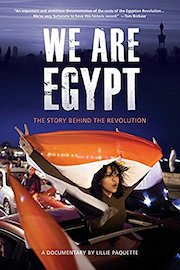
We Are Egypt: The Story Behind The Revolution

Where to Watch We Are Egypt: The Story Behind The Revolution

We Are Egypt: The Story Behind The Revolution is a profound and insightful documentary that meticulously details the events that set the stage for the 2011 revolution in Egypt. The film was released in 2013 and directed by Lillie Paquette. The film offers a critical perspective of the revolution, shedding light on the underlying socio-political issues that lead to this era-defining event. This documentary serves as a comprehensive source of information for those yearning to understand the complexities of the events that led to a massive transformation in Egyptian society.
The narratives within the film piece together a timeline that charts the eighteen months leading up to the Egyptian revolution. Throughout the film, the audience is ushered into the heart of Egypt's volatile socio-political climate, which ultimately culminates in a large-scale public uprising. Paquette impressively intertwines intimate testimonies from revolutionaries, Egyptian activists, and politicians to paint a complete picture of the complex events surrounding the revolution.
We Are Egypt specifically focuses on Egypt's political landscape under the significant rule of Hosni Mubarak, the country's president for nearly 30 years. It examines the historical context of Mubarak’s controversial rule and the deep-seated dissatisfaction towards the political regime that prevailed among the populace. The film aims at elucidating the systemic problems that the people of Egypt faced, including political corruption, stifling press freedom, suppression of political opposition, chronic unemployment and widespread poverty – issues that, over time, fueled the brewing anger and frustration, setting the stage for a mass revolution.
What sets We Are Egypt apart from other documentaries covering the same subject matter is the exclusive access the filmmaker had to key players in the Egyptian political scene during burgeoning revolutionary activities. She managed to acquire valuable insights into Egypt's tumultuous political climate from a diverse array of contributors. These key contributors range from influential members of the opposition, radical youth activists, victims of police brutality, and members of the Muslim Brotherhood, each contributing a unique perspective to the story.
Another factor adding to the film's uniqueness is its honest portrayal of the Magles El Shaab, the lower house of Egypt's bicameral Parliament. The film explores the political undercurrents at play within the structure of this governmental assembly. Through a vivid presentation of the corruption and oppression, the audience gains a deeper understanding of the disillusionment experienced by the Egyptian public under Mubarak’s authoritarian rule.
We Are Egypt also brings attention to the role of social media and online platforms in mobilizing the revolution. It delves into how the younger, more tech-savvy generation used online activism to voice discontent, share information, and organize protests that helped serve as dynamic catalysts in the uprising. This focus reflects on the global importance of digital communication in modern resistance movements.
With commendable storytelling skills, Paquette also manages to expose the human aspect of the revolution, showing us the hopes, fears, and resilience of people who dared to risk their lives for a better future. The film is not only a political study but also a touching tribute to the human spirit and its quest for freedom.
Impressively, the film doesn't end on the 18th day of the revolution with Mubarak’s downfall; instead, it keeps the story open-ended, urging viewers to watch the continual struggles and transitions that Egypt goes through in the post-Mubarak era. It points to the reality that a revolution isn't a destination but a road marked by continued advocacy, turbulence, and transformation.
We Are Egypt: The Story Behind The Revolution makes no claim to provide all the answers to Egypt's problems. Instead, it provides an insight into the revolution's background, offering a narrow lens that helps viewers understand some facets of what led a nation to rise against its leader. It lays out the complexities of the Egyptian revolution, maintaining a balanced and nuanced perspective. It's a brave, enlightening, and comprehensive documentary that challenges its audience to think about the notion of freedom, the price a society is willing to pay for it, and the consequences that ripple out in the wake of that demand.