

Vietnam: Talking To The People
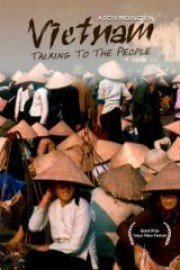
Vietnam: Talking To The People

Where to Watch Vietnam: Talking To The People

Vietnam: Talking To The People is a poignant and thought-provoking documentary that delves into the complexities of life in contemporary Vietnam, showcasing the voices of its citizens as they navigate the legacies of the past and the realities of modern society. This film presents a unique window into the perspectives of ordinary Vietnamese people, offering a multifaceted view of the country's evolution since the end of the Vietnam War.
The documentary is structured around a series of interviews with a diverse array of individuals from different backgrounds, ages, and regions of Vietnam. Through their stories, the film explores the intersections of history, culture, and personal experience, allowing viewers to grasp the nuances of Vietnamese life today. From farmers in rural areas to urban dwellers in bustling cities like Hanoi and Ho Chi Minh City, each participant shares their unique insights, reflecting both the triumphs and challenges that define contemporary Vietnam.
One of the central themes of the film is the resilience of the Vietnamese people in the face of adversity. Many interviewees recount tales of hardship, loss, and struggle during the war, yet these narratives are often interwoven with messages of hope and determination. The film emphasizes how the scars of the past have shaped a strong national identity, influencing the aspirations and dreams of the younger generation. As the country rapidly modernizes, this tension between tradition and progress becomes a prominent topic of discussion among the participants, sparking reflections on cultural preservation in an era of globalization.
Youth voices feature prominently in Vietnam: Talking To The People, offering a glimpse into the aspirations and challenges faced by the younger generation in a rapidly changing society. Their interviews touch on issues such as education, career opportunities, and the impact of technology on their lives. The film highlights the desire of these young individuals to carve their own identities while also grappling with the expectations set by their families and the weight of history that continues to influence their path. The dynamic interplay between tradition and modernity is portrayed through their eyes, showing how they navigate the legacies of the past while forging a new future.
Socioeconomic transformation is another key focus of the documentary. As Vietnam experiences remarkable economic growth and development, the film captures the varying impacts of these changes across different strata of society. Through intimate conversations, viewers get to know the struggles of those who often remain on the periphery of progress, such as rural farmers facing the effects of climate change, or workers in increasingly industrialized sectors. The documentary does well to maintain a balance, showcasing both the opportunities created by economic shifts and the challenges that come with them, allowing for a comprehensive exploration of what progress means in the context of a post-war country.
Throughout the film, the cinematography beautifully encapsulates the landscapes of Vietnam, from the lush rice paddies and serene rivers to the vibrant urban centers buzzing with life. The visuals are complemented by a careful selection of sound, mixing traditional Vietnamese music with the contemporary sounds of a modernizing nation. This sensory experience enhances the storytelling, immersing the audience in the sights and sounds of Vietnam's diverse culture, making it not just an informational piece, but an artistic portrayal of the nation.
In addition to these elements, Vietnam: Talking To The People addresses the broader implications of memory and history in shaping national identity. The documentary prompts viewers to consider how collective memory intertwines with the personal narratives of its citizens. The reflections on the war are not only historical reminiscences but also deeply personal, illustrating how trauma and healing coexist within the Vietnamese psyche. The film encourages the audience to ponder questions about reconciliation, the importance of remembering the past, and the paths toward healing that individuals and communities undertake.
In conclusion, Vietnam: Talking To The People is more than just a documentary; it is a heartfelt exploration of a nation at a crossroads, where the echoes of history resonate loudly amid the clamor for modernity. By amplifying the voices of everyday people, the film provides a rich tapestry of experience that portrays the resilience, hope, and complexity inherent in the human condition. It invites viewers to engage with the stories of Vietnam’s citizens, fostering a deeper understanding of the social dynamics and historical legacies that continue to shape the nation's identity. As the audience journeys through personal stories, they are encouraged to reflect on the universal themes of struggle, hope, and the enduring quest for voice and agency in an ever-evolving world.