

Train Wrecks Crashes & Disasters: 1934-1955
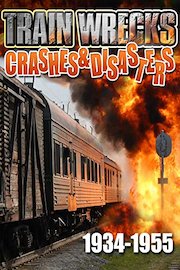
Train Wrecks Crashes & Disasters: 1934-1955

Where to Watch Train Wrecks Crashes & Disasters: 1934-1955

Train Wrecks Crashes & Disasters: 1934-1955 is a comprehensive and revealing documentary that takes viewers back to an earlier era of the railroading industry, where high-speed railways and modern technology did not yet dominate the landscape. This black-and-white film showcases the inherent risks and dangers associated with the early steam engine-operated railroad systems, spotlighting some of the most tragic incidents that occurred during this period. Understood is the fact that these rail disasters were deeply tragic - resulting in tremendous loss of life and property, while simultaneously driving many of the safety innovations that would later transform the industry.
As the title suggests, Train Wrecks Crashes & Disasters: 1934-1955 meticulously documents a span of twenty-one years with an unflinchingly realistic portrait of some of the most significant rail disasters. The narrative focuses on the compelling details of each crash, and it’s important to note that the archival footage featured in this movie, even though it's in black and white, effectively augments the emotional impact of the narrative, giving viewers a visceral sense of the drama and horror that unfolded in real time.
The movie derives its strength from vividly rendered accounts of these rail calamities, many of which remain etched in the annals of railroad history as cautionary tales for the future. These accidents, including horrific collisions, derailments, and fires, highlight the lack of safety measures in the railroading industry at the time and expose the human cost of such negligence.
However, Train Wrecks Crashes & Disasters: 1934-1955 isn't solely about disaster. It also explores how each accident led to systemic changes in the industry, driving the advancement of technology, infrastructure, and safety protocols. This film effectively juxtaposes the grim realities of the past with the promise of a safer future, making it an in-depth study of industrial evolution catalyzed by adversity.
One of the fascinating aspects of this film is its unparalleled historical accuracy, meticulously covering different disasters with a sharp focus on factual integrity. Commentary offered by various uncredited narrators throughout the film further enhances its informational value, providing important context, background information and insider perspectives on the incidents.
Another distinguishing feature of Train Wrecks Crashes & Disasters: 1934-1955 is its authentic use of contemporary footage and images, collected from various credible sources, making the presentation highly engaging and historically faithful. The raw realism of the film can be quite jarring at times, as it does not attempt to sugar-coat the devastation and loss caused by the accidents. This honesty makes the documentary a thought-provoking viewing experience, serving as a stark reminder of the perils of industrial progress when not tempered with adequate safety measures.
Despite its grim subject matter, the movie refrains from adopting a sensationalist tone. It prioritizes reportage over dramatization – the cornerstone of traditional documentary films – treating each incident with the respect and sobriety it deserves. This impartial, fact-based approach deepens the audience's understanding of the incidents and enhances their empathy towards those who lost their lives and risked everything in these disasters.
Train Wrecks Crashes & Disasters: 1934-1955 is a must-watch for history and railway enthusiasts, providing deep insights into the progression of railway safety and technology. Even for a casual viewer who may know little about the history of railroads, this thoughtfully curated collection of real-life incidents offers a captivating insight into a bygone era and the subsequent advancements of one of the world's oldest and most vital industries. Despite the candid display of devastation, the movie ultimately proves itself to be a homage to the resilience of humanity and its relentless pursuit of progress, shimmering with optimism amidst the poignant recounting of tragedies.