
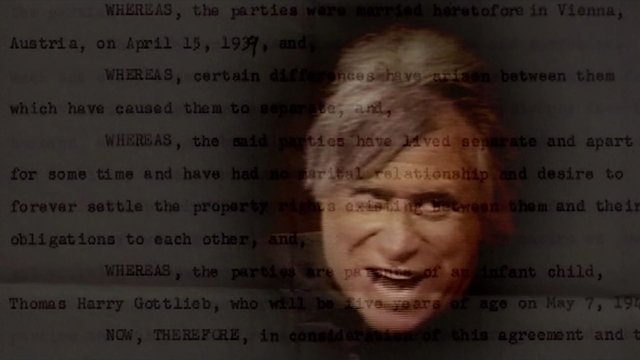
To My Great Chagrin: The Unbelievable Story of Brother Theodore
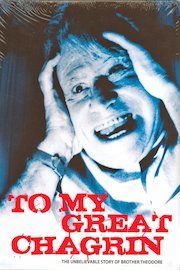
To My Great Chagrin: The Unbelievable Story of Brother Theodore
"The Unbelievable Story of Brother Theodore"
 7.1/10
Where to Watch To My Great Chagrin: The Unbelievable Story of Brother Theodore

To My Great Chagrin: The Unbelievable Story of Brother Theodore is a fascinating documentary that delves into the life and career of the eccentric yet captivating performer, Brother Theodore, whose real name was Theodore Gottlieb. A unique figure in the world of performance art and stand-up comedy, he carved out a niche for himself with his dark humor, philosophical musings, and bizarre storytelling. Directed by the talented filmmakers who seek to weave together theatricality and intimacy, this film captures the essence of an artist who thrived on the unconventional.
The film features a rich palette of interviews, personal anecdotes, and archival footage, creating a multifaceted portrait of Brother Theodore. Viewers are introduced to his background, which is a blend of tragedy and resilience, shaping the artist he would ultimately become. Born in Germany before World War II, Brother Theodore’s life was marked by dramatic events that led to his emigration to the United States. This tumultuous history informs much of his dark and surreal comedic style, interspersed with deep existential themes that resonate throughout his work.
Woody Allen, among others, plays a crucial role in bringing attention to Brother Theodore's peculiar genius. Through his interview, along with those of fellow performers like Len Belzer and Eric Bogosian, the film highlights the influence Brother Theodore had on the comedy and theater landscape, particularly in the late 20th century. Their reflections serve as both homage and exploration, drawing connections between Theodore’s offbeat humor and the broader evolution of comedy during that era. The film does not shy away from discussing Theodore's controversial material that at times shocked audiences, inviting a reflection on the boundaries of comedy and the role of the comedian in society.
One of the most compelling aspects of the documentary is its exploration of Theodore's performance style – a blend of the macabre, the absurd, and the intellectual. The title itself hints at the theme of chagrin, which captures the bitter-sweet essence of his comedy. Theodore had a gift for provoking laughter while simultaneously unsettling his audience, using wit and candor to expose the darker sides of human nature. Viewers will appreciate how the filmmakers convey this complexity, as they punctuate the narrative with clips that showcase Theodore's unique talent during his live performances, television appearances, and film snippets.
Additionally, the film touches on Brother Theodore's philosophy, as he often grappled with life’s existential questions through the lens of his humor. Interviews with him reveal a mind that was both deeply contemplative and playful, creating a fascinating dichotomy that adds layers to his character. He did not merely entertain; he incited thought and reflection, pushing the audience to confront uncomfortable truths about existence and mortality. This thematic density is reflected in the documentary's structure, weaving together elements of tragedy, comedy, and philosophy without losing its sense of coherence.
Cinematically, To My Great Chagrin stands out with its artistic flair. The filmmakers use a mix of black and white and color footage, juxtaposing the historical context of Theodore’s earlier performances with modern interviews. This visual technique enhances the storytelling, evoking both nostalgia and surrealism. The music choices also complement the tone, ranging from somber to whimsical, further immersing the viewer into Brother Theodore's unique world.
As the film unfolds, it not only documents Brother Theodore’s life but also serves as a commentary on the nature of artistic expression and the often ephemeral concepts of fame and legacy. It invites the audience to consider how unconventional artists navigate the realms of acceptance and rejection, often oscillating between acclaim and obscurity. This exploration is particularly relevant in an era where the lines between art and entertainment continue to blur, prompting viewers to reflect on their perceptions of art, humor, and the artists who dare to push boundaries.
To My Great Chagrin is ultimately a celebration of a singular voice that defied categorization and conventional norms. It’s an ode to an artist who fiercely embraced his individuality, and through his distinct lens, encouraged audiences to question societal norms and explore the depths of the human experience. By the end of the documentary, viewers are left with a profound appreciation for Brother Theodore—a figure who may have been relegated to the margins of mainstream comedy, but whose impact resonates long after the curtain falls. Through its insightful narrative and engaging presentation, the film is a must-see for fans of comedy, performance art, and those intrigued by the complexities of an artist’s journey through an often unforgiving world.
7.1/10