
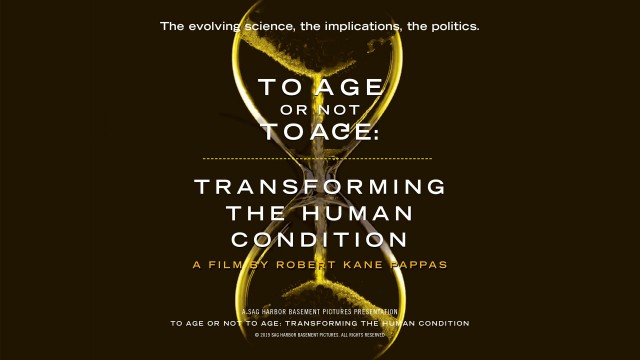
To Age Or Not To Age - Transforming The Human Condition
To Age Or Not To Age - Transforming The Human Condition

Where to Watch To Age Or Not To Age - Transforming The Human Condition

To Age Or Not To Age - Transforming The Human Condition, as the title suggests, is a profound film that raises pertinent questions about the inevitability of aging and the possibilities that medical science presents to potentially transform this universal human condition. The film stars Dr. David Sinclair, a highly respected professor of genetics at Harvard Medical School, and Dr. Leonard Guarente, an equally accomplished MIT Biologist. Together, they navigate the complex world of genetics, aging, and the tantalizing prospect of human immortality.
The vast canvas of this film spans from the discovery of the first genes that control aging in simple creatures like yeast, worms, and flies to the latest advancements in genetic modification for humans. With a mesmerising blend of scientific detail and human stories, the film connects dots between life, aging, death, and the potentially revolutionary consequences of advanced genetic research.
The film opens with Dr. Sinclair and Dr. Guarente presenting their revolutionary thesis - the biology of aging is no longer a mystery, and it can be manipulated with advanced genetic studies. Using simple yet engaging narrative techniques, the film brings these complex scientific theories to life for viewers to understand. These concepts are presented elegantly, without minimizing their profound implications or oversimplifying the intricate science behind them.
The film is segmented into various modules, each dealing with a unique aspect of aging and its possible manipulation. It summarily covers the breakthroughs in yeast’s aging, worm longevity, and fly lifespan, providing crucial insights into our understanding and manipulation of the aging process. The exploration of the science behind lifespan extension in a variety of organisms serves as a strong foundation for discussions on applying these findings to human aging.
In addition to the scientific perspective, the film also examines the societal ramifications of its central proposition - should we choose to 'age' or 'not to age' if given the chance? The relationship between evolution, genetics, and the human desire for immortality are discussed in detail, highlighting the ethical, moral, and societal questions that arise with such a possibility. How would the longevity or potential immortality affect the dynamics of human life and social structures? What will it mean for love, relationships, procreation, and how we define life and death? These are just some of the questions that the film dares to tackle.
The film also investigates the present state and future potential of gene therapy, the research on Sirtuins (proteins that regulate cellular health), and the role of Resveratrol, a compound found in grapes that seems to activate Sirtuins and extend the lifespan of mice. The filming process visually captures the fascinating work of these engaging scientists and their groundbreaking research in modern laboratories as they step closer to an anti-aging revolution.
Dr. David Sinclair, with his captivating charm and passion for genetics, becomes the film's driving force. His discussions combine scientific acumen and humanistic concerns to deliver a balanced perspective on this thorny issue. Equally, Dr. Guarente’s wisdom and groundbreaking work on aging shine throughout the documentary, providing substantial weight to their audacious claims.
Stirringly organized, scientifically sound, and thought-provoking, To Age Or Not To Age - Transforming The Human Condition serves as an awe-inspiring documentary on humankind's potential to defy the age-old inevitability of aging. It combines science, philosophy, and ethics in proportions that leave you reflecting on what it means to age, if we must age at all, and the profound implications that such a revolutionary possibility presents.
Whether you're a scientist, a curious human mind, or someone who pondered the possibility of living forever, this film yields new insights and raises exploratory questions for everyone. It encapsulates a journey filled with breathtaking scientific advancements, possible future predictions, and complex ethical dilemmas that might transform the most fundamental human condition – aging. While the film ponders whether we should age or not, it leaves enough room for the audience to form their own view on this revolutionary prospect.