

Then the Wind Changed
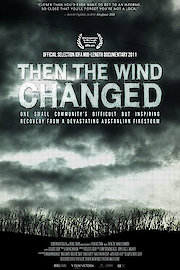
Then the Wind Changed
"One Australian community's inspiring recovery from a devastating firestorm"
 6.3/10

Where to Watch Then the Wind Changed

Then The Wind Changed, directed by Celeste Geer, is a compelling and heartwarming Australian documentary that was released in 2012. This thought-provoking film interweaves themes of survival, resilience, community spirit, and environmental change.
The film centers on the quaint town of Strathewen, located in the outskirts of Melbourne. This seemingly peaceful rural community was brutally disrupted in 2009, when it was hit by one of Australia’s most catastrophic natural disasters - the Black Saturday Bushfires. These devastating fires ravaged the town, destroying homes and taking lives. The film is set in the aftermath of these bushfires as Strathewen tries to recover and rebuild from the ashes. The director, Celeste Geer, happened to be one of the townspeople of Strathewen, and herself was an enduring victim of this calamity. Thus, Then The Wind Changed unfolds a personal journey full of empathy and poignant insights.
Celeste Geer effectively uses her own family’s experiences as a microcosm of the larger community. Incorporating their home videos and her own personal reflections, she provides an intimate first-hand account of the effects of the disaster, a view rarely seen in mainstream media. The film takes us on a journey through the days before the disaster, the horror of the momentous day itself, and an unflinching look at the physical and emotional aftermath.
The film covers the breadth of human emotions: the fear of the approaching fires, the dread when the town realizes the magnitude of their disaster, the despair of losing everything but also the afflatus of the people determined to rebuild not just their houses but their lives as well. It gives the audience an inside look into the complicated process of community recovery and regeneration.
Throughout this film, Geer captures the resilience and fighting spirit of the Strathewen community. After all, it is a story about people, about communities and their resilience, their determination, their courage, and how their deep bonds to each other and their land helped them navigate through their most challenging times. There are moments filled with community joy, togetherness, and budding hope that balance out the overall poignant narrative.
The film also raises questions about humans living with the unpredictability of nature, and how global living patterns contribute to such natural disasters. It's a theme that resonates deeply in today’s context of climate change and global warming, making the film not just historically relevant but also socially important.
The cinematography of Then The Wind Changed is noteworthy. It adopts a stripped down and realistic approach that enhances its raw emotional power. The audience gets to see footage dipped with the haunting beauty of a devastated landscape, charred and scorched, yet eerily serene and silent. The environmental images, both pre and post-disaster, juxtapose contrasting realities that underline the cruel capriciousness of nature.
Despite the severe and sorrowful subject matter, Geer manages to craft the film in ways that uplift rather than submerge. It punctuates the narrative stream with touches of humor and many instances of basic human kindness, transforming the narrative into a testament to human resilience and spirit.
The film opens and closes with the poignant symbolism of a lone tree that had survived the fire, charred black but sprouting fresh green leaves - a fitting tribute to the community of Strathewen, and indeed to the human spirit at large.
Then The Wind Changed is an admirable film not solely because it documents a central event in Australian history with a humane touch, but also because it resonates universally with any viewer who has encountered loss, disaster, and the subsequent journey of recovery. It further encourages its viewers to deeply appreciate their community and environment.
In conclusion, Then The Wind Changed is an emotionally rich and thought-provoking documentary that takes you on a deeply personal journey of a community's resilience in the face of natural disaster. Its themes are penetrating, its narration heartfelt and the overall impact memorable. This film is a must-watch for anyone interested in human stories of courage, recovery, and the complex relationship we share with nature.
6.3/10