
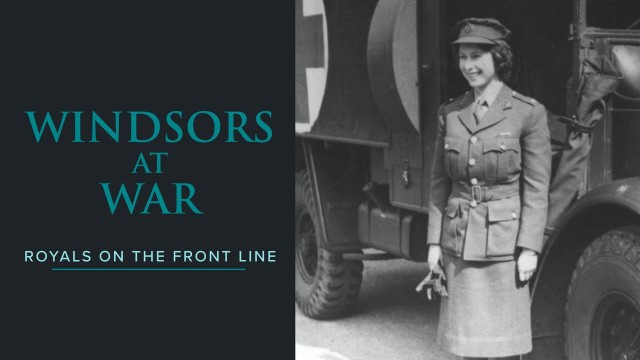
The Windsors at War - Royals on the front line
The Windsors at War - Royals on the front line

Where to Watch The Windsors at War - Royals on the front line

The Windsors at War - Royals on the Front Line is a captivating historical documentary that delves into the lives of the British royal family during one of the most tumultuous periods in modern history: World War II. This film stands out not only for its in-depth look at the monarchy but also for its exploration of the family's personal sacrifices, the challenges they faced, and their unwavering commitment to the nation during a time of widespread fear and uncertainty.
Set against the backdrop of the global conflict that engulfed Europe from 1939 to 1945, the documentary presents a vivid snapshot of how the royal family navigated their roles amid the chaos of war. The film draws upon a wealth of archival footage, photographs, and first-hand accounts, giving viewers a rare and intimate glimpse into the personal lives of the Windsors during some of the most trying times.
The narrative begins by highlighting the early days of the war, capturing the apprehension and tension in Britain following the declaration of war against Germany. The documentaries uniquely frame the monarchy’s response, illustrating how King George VI and Queen Elizabeth became pillars of strength and resolve for the nation. The film explores how their public appearances and broadcasts aimed to bolster the spirits of the British people, reaffirming their faith in the monarchy as symbols of resilience.
As the war escalates, the documentary provides an overview of the royal family's direct involvement in war efforts. It illustrates how various members of the royal family contributed through service and public support. Prince Charles's mother, Queen Elizabeth, the Queen Mother, played a vital role in visiting bombed areas and morale-boosting tours across the country, displaying her commitment to her people. The film emphasizes the profound sense of duty that the royals felt, which aligned with the ethos of sacrifice shared by the British public. Through narrated stories, the film reveals how their presence served as a source of hope and courage during dark times.
Viewers are treated to a realistic depiction of life within Buckingham Palace during the war, showcasing the combination of privilege and peril that defined the royal existence at that time. Menacing threats from enemy bombings transformed the palace from a symbol of opulence into a critical site for strategy and planning. The documentary does an excellent job of portraying how the royal family adapted to these changes, including their own decision to remain in London during the Blitz, thereby underscoring their solidarity with the British people.
The conflict forced the monarchy to grapple with a redefined relationship with its subjects. The film discusses the shift in public perception towards the royal family as they became more approachable symbols of the nation's endurance. This period saw the Windsors shedding some of their formalities in favor of a more relatable presence, which endeared them to the public. Key moments captured in the film embody this transformation, highlighting the ways in which the royal family communicated with their subjects—through radio broadcasts, public visits, and other forms of engagement.
As the war progresses, the film dives deeper into personal narratives that reveal the emotional toll on the royal family members. It addresses the complicated mixture of familial pride and concern, particularly focusing on the impact of their roles on their relationships. This human aspect of the royals is enriched through stories of heartache and resilience, presenting a fuller picture of how they faced loss and uncertainty while trying to maintain their responsibilities.
The Windsors at War also ventures into the multifaceted roles of female royals during the period, particularly Queen Mary and Queen Elizabeth. Their behind-the-scenes contributions are explored, illuminating how they took charge of organizing wartime initiatives, boosting morale, and supporting various charitable efforts. This lens enriches the narrative, providing insights into how women, often relegated to traditional roles, stepped up as formidable leaders during wartime.
The production values of the documentary are impressive, with skillfully woven editing that enhances the storytelling. The historical context is presented with clarity, allowing audiences to grasp the enormity of the events occurring both on the front lines and within the royal household. The soundtrack and visual composition evoke the atmosphere of the time, further immersing viewers in the historical milieu.
In conclusion, The Windsors at War - Royals on the Front Line offers a thorough exploration of the British royal family's experiences during World War II. Through a collection of powerful stories, real-life testimonies, and fascinating historical insights, the documentary presents a tribute to the steadfastness of the monarchy in the face of adversity. It serves as both an educational piece for history enthusiasts and a poignant reminder of the complexities surrounding leadership, sacrifice, and duty during one of the most critical eras in world history.