

The Truth Lies In Rostock
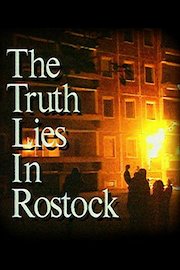
The Truth Lies In Rostock

Where to Watch The Truth Lies In Rostock

The Truth Lies in Rostock is an intense documentary that chronicles one of the most turbulent periods in Germany's post-unification history. Unlike many mainstream productions, this film unflinchingly delves into a chapter of Germany's past that often goes unanalysed. It is an exploration of dire socio-political issues, ethnic tensions, and the struggle for equal rights for all members of society - narrated through fierce cinematic storytelling that wants the viewers to sit up and take notice.
Splendidly directed by renowned filmmakers Mark Saunders and Siobhan Leary, this documentary was released in 1993. The filmmakers employ a vivid and meticulous documentary style, leading the viewer through the intricacies of the racially charged events that unfolded in the city of Rostock in the year 1992. Rostock is a city located in Eastern Germany, which became a hotspot of racial tensions following the fall of the Berlin Wall and Germany's reunification.
The title, The Truth Lies in Rostock, reflects the film's bold examination of the real-life incident where a four-day-long racially motivated riot occurred against Vietnamese contract workers and other foreigners. This riot was not an isolated incident but was indicative of a broader socio-political fabric that continued to grapple with the issues of racism and xenophobia.
The documentary captures the lead-up to the riot, the events during and, the aftermath, all in a chronological sequence that allows the viewer to comprehend the full scope of the incident. The film is a culmination of the bone-chilling, heart-wrenching tales of eyewitness accounts and survivors, police officers, journalists, and local residents, all set against the backdrop of an underprepared government and passive law enforcement agencies.
Saunders and Leary's approach empowers the audience with the ability to understand the complexity of the situation. The film is not just focused on the surface of the events, but it digs deeper, unveiling the socio-political nuances that were at play at the time. This approach distinguishes the film from a typical documentary, as it explores not just what happened, but why it happened and what were the repercussions.
In doing so, the feature documentary sets the events in Rostock against the backdrop of the larger societal context of the time, weaving the particular with the general. It is a study of the societal tensions that came to the fore with the unification of East and West Germany. The documentary forces the viewers to grapple with the tougher questions: How does a society strive for unity, while being in the grip of such divisive forces as racism and xenophobia?
It is worth mentioning how the visual language of the film enhances the cinematic narrative. The stark, raw imagery, actual footage, and interviews are seamlessly intertwined to create an intense, immersive, and at times uncomfortable viewing experience that the filmmakers intended. The documentary refuses to sugarcoat the truth, instead, presenting the harsh reality in all its distressing details.
The spine-chilling simplicity of the film's narration, paired with its brutal honesty, serves not merely as a recounting of events but as a potent social commentary on the perils of racial and ethnic prejudice. It is a testament to the unyielding spirit of human resilience in face of unspeakable horrors. It speaks about a dark period in history, but it also speaks to the world, hinting at a broader commentary on prejudice, tolerance, and the long road to social justice.
Despite chronicling a historical event, the themes that The Truth Lies in Rostock grapples with are as relevant today as they were during the developments it covers. Almost three decades on, the film continues to hold a mirror up to society, reminding us of the dangerous consequences of unchecked hatred and prejudice.
In conclusion, The Truth Lies in Rostock is more than just a documentary. It is a call to action, a call to remember, and a call to change. Its power lies not just in the tragic events it documents, but also in its relentless demand for accountability and justice. It continues to resonate and evoke powerful responses, making it a must-watch for those interested in history, society and the continuous struggle against racism and injustice worldwide.