

The Road to Freedom Peak
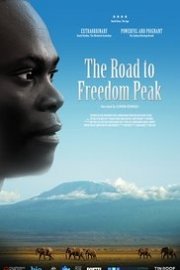
The Road to Freedom Peak
 5.7/10

Where to Watch The Road to Freedom Peak

The Road to Freedom Peak is a riveting documentary from 2013, directed by Max Pugh, conveying a striving journey of hope, resilience, and self-discovery. The documentary beautifully combines elements of anthropological evocation, confrontation with gruesome realities, and quest for redemption. Based on Jonathan Okwir and Corrin Varady, two human beings of distinct backgrounds, it showcases their shared goal to show that life can flourish even after enduring grave atrocities.
Jonathan Okwir, the primary subject of this documentary had been a child soldier in Joseph Kony's notorious Lord's Resistance Army (LRA) in Uganda. Kony’s LRA kidnapped him and forced him into a dark world of violence and cruelty. After managing to escape the LRA, Okwir was struggling to come to terms with his traumatic past and redefine his fractured identity.
Corrin Varady, an Australian humanitarian aid worker, forms the second subject of this film. Varady has dedicated his life to aid the rehabilitation and reintegration of former child soldiers in Uganda, including Okwir.
The Road to Freedom Peak is an account of a 700-kilometer bike journey of these two individuals. This bike ride from the Northern war zone of Gulu, Uganda, to the East African country's highest peak, Mount Rwenzori, forms the backbone of the narrative, encapsulating the essence of freedom for Okwir. It is a journey for him to face his past and embrace the possibility of a hopeful future.
The film features a thoughtful exploration of the Ugandan landscape, capturing the geographical and cultural nuances of the country. The picturesque surrounding represents both the hardships and pleasures the two men encounter during their journey - the long-winded routes with their taxing physicality representing the trials and tribulations they have been through and the jaw-dropping landscapes symbolizing the potential for hope and deliverance.
The movie doesn’t shy away from delving into disturbing realities of the lives of former child soldiers, of how these innocent lives are brutally molded into perpetrators of violence, their psyche manipulated by a murderous regime. Okwir's account and the filmmakers' sensitive handling of the subject offer a poignant perspective on the horrific experiences these children undergo. It captures not only the severe physical strain they bear but also their psychological and emotional strain, at times often overlooked.
Director Max Pugh brings a delicate hand to the depiction of these horrific experiences. Meanwhile, the documentary offers an insightful look at post-war Uganda, capturing both the terror experienced by its residents and their resilient spirit.
As the story unfolds, Okwir's journey symbolizes the struggle of an individual seeking closure and redemption. This journey towards the 'freedom peak' metaphorically excises the magnitude of his traumatic past, both personal and collective. His courage in facing the past and his resolve to transform despair into hope forms the crux of the narrative, conveying a powerful message—that even the deeply scarred can embark upon a road towards healing and deliverance.
Varady's role in the documentary is noteworthy too. His passionate engagement with child soldier rehabilitation programs and his unflinching support for Okwir's journey offer a protective and comforting presence within the narrative. His commitment to the cause reflects his deep-seated empathy and respect for the human spirit surviving against all odds.
The Road to Freedom Peak also underscores the importance of psychological healing when recovering from severe trauma. Okwir's struggle with his past throughout the journey stands as a testament to the importance of mental health, urging viewers to appreciate the courage it takes to seek help and confront one's fears. At the same time, it also emphasizes the significance of community support, care, understanding, and perseverance in all walks of life.
The Road to Freedom Peak in its heart is not just a film about one individual's journey. Rather, it transcends individual stories to resonate with universal human themes-reaching out for help, seeking and providing comfort, finding hope in despair, and importantly, continuing the journey to reconciliation and recovery. The film culminates as a standing testament to human resilience and impacts viewers with its stark realities and hard-earned optimism. It serves as a unique tribute to all those who have had to endure life under a cruel regime and yet found ways to nurture hope, seek freedom, and build a future.
5.7/10