

The Power of Community: How Cuba Survived Peak Oil
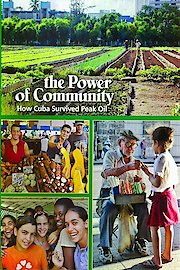
The Power of Community: How Cuba Survived Peak Oil
 8.0/10

Where to Watch The Power of Community: How Cuba Survived Peak Oil

The Power of Community: How Cuba Survived Peak Oil is a riveting 2006 documentary that masterfully presents an insightful and educational dive into Cuba's journey through an epic crisis and how its survival hinged on the strength and resilience of its communities. Directed by Faith Morgan, the film features commentary from Bruce Cromer, Rachel Bruhnke, and Cuban scientist Jorge Mario who provides an expert perspective.
The film’s central premise revolves around the 'special period in peacetime' - a euphemism used by the Cuban government to describe the country's economic struggle following the collapse of the Soviet Union in the early 1990s, which drastically cut their oil imports. This event coincides with the concept of 'Peak Oil', a hypothesis relating to the maximum rate of the production of oil followed by its terminal decline. The documentary beautifully connects these two concepts, showing how Cuba grappled with the daunting challenges brought on by this calamitous situation.
The Power of Community: How Cuba Survived Peak Oil navigates this hardship by highlighting what Cuba, as a nation, did to adapt themselves to a world that was seeing a decline in petroleum. The film illustrates how innovative thinking, sustainability, and communal efforts played crucial roles in keeping Cuba afloat during these testing circumstances.
One of the main figures in the film is Bruce Cromer, an eminent professor and esteemed theater actor who navigates us through various aspects of this complex issue. While the larger global implications of Peak Oil are sure to rivet viewers, Cromer's spot-on insights and charismatic spark serve as one of the film’s many heartbeats.
Jorge Mario, a pre-eminent Cuban scientist, provides an in-depth technical analysis of the situation. With his vast professional and academic background, he presents viewers with a rigorous scientific understanding of how Peak Oil impacts a nation's economy and day-to-day life. He breaks down complex theories into digestible explanations, making the documentary intriguing and accessible to all audiences, irrespective of their background in environmental or economic studies.
Rachel Bruhnke also stars in the film, an activist known for her keen passion for environmental conservation and sustainability. With her extensive experience, she offers palpable understanding and adds a poignant resonance to the narrative. Bruhnke wonderfully complements the analytical insights with heartfelt consideration of the toll these hardships can impose on a community's morale, while also putting a spotlight on Cuban resilience and spirit.
The documentary does a commendable job at weaving together varied threads - the decline of oil imports, the effort to shift towards agriculture, the reshaping of transportation, the reshaping of societal structures - to portray a comprehensive and holistic perspective of the crisis. It also puts a heavy emphasis on the transformative power of unity and conviviality in surviving challenging periods, hence its apt title "The Power of Community".
However, the movie doesn't shy away from heavy subjects and difficult anecdotes; the struggles faced by Cubans, the setback in their development, and the severe alterations in everyday lifestyle are highlighted with emotional depth and respect. It covers the real-life implications of the crisis on individuals as well as communities, emphasizing the human perspective and the real cost of survival.
At the core, the documentary reveals a prominent emphasis on the merits of self-sustainability, as Cuba had to largely depend on itself to counter the unwanted effects of the crisis. The success of urban agriculture and the social transformation arising from the mass mobilization of people, as seen in the film, provides inspiration and hope to viewers worldwide facing similar crises.
While offering a detailed depiction of Cuba’s response to a devastating crisis, The Power of Community: How Cuba Survived Peak Oil is largely about hope, resilience, and the impressive capability of mankind to adapt in the face of adversity. Its underlying message points towards the importance of local communities and the influence they have in adapting and reacting to changes in our world.
This film serves as a must-watch for anyone interested in issues related to Peak Oil, sustainable living, or the function of community in times of crisis. It also carries substantial value for viewers seeking an understanding of how large-scale societal transformation and adaptation can work. In concise terms, it’s an inspiring tale of struggle, resilience and survival encapsulated in Cuba’s fight against the odds.
8.0/10