

The Police Tapes
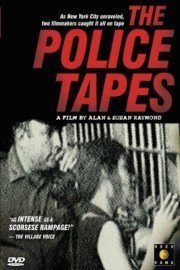
The Police Tapes

Where to Watch The Police Tapes

The Police Tapes is a profoundly evocative documentary film that was first released in 1977, directed by Alan Raymonds and Susan Raymond. The film adopts a pioneering approach to its genre, offering a raw, unfiltered look at the operations of law enforcement in the heart of New York City’s South Bronx area - one of the most tumultuous, crime-ridden neighborhoods during the 1970s.
While modern audiences may be familiar with the concept of a reality-based crime show, with widespread programs such as "COPS", The Police Tapes was indeed a trailblazer in this format, masterfully merging the boundaries of documentary and reportage with startling realism. The film is a brutal and immersive portrayal of the volatile intersection of crime, law enforcement, and community - a cinematic journey that unfolds over the course of several weeks with the 44th precinct of NYPD.
The film is characterized by an unprecedented level of access to the day-to-day operations of the police force. It boldly defies traditional documentary techniques by harnessing the nascent technology of portable video recording to embed the camera with the police force, thus, capturing reality as it unravels. The viewer joins police officers as they patrol their beat, respond to calls, and engage with the residents of the community.
The filmmakers, using this embedded approach, were able to showcase the multifaceted dynamics of the South Bronx neighborhood. Viewers get an authentic glimpse of the strain, challenges, and turmoil faced by the police officers, as well as a grounded portrayal of the diverse community navigating the repercussions of its high crime rates. The narratives of all participants- whether they be the policemen, the troubled youth, the hardened criminals, or the everyday residents- have been deftly included, underscoring the complexity of societal issues like crime, poverty, and racial tension.
The Police Tapes rapidly transcend beyond strictly being a crime documentary to provide a rich social commentary. The film methodically uses its fly-on-the-wall approach to navigate the labyrinth of urban crime, authority, and community, revealing layers of subtlety within its broader context. It stays true to both the humanity and the severity of the issues at hand, never shying away from highlighting the emotional enormity officers face on their beats, as well as the multifaceted social conditions festering within the neighborhood.
In terms of storytelling, The Police Tapes remains non-judgmental and impartial. It does not seek to delineate clear heroes or villains among its cast of real players but reveals the complexity and contradictions of the situations law enforcement officers often find themselves in. It's a testament to the filmmakers' vision that their film refrains from offering simplistic answers to the city's deep-seated issues but presents the raw reality as it is.
Thanks to the creative risks taken by Alan and Susan Raymond, the film’s unorthodox technique created an intimate and riveting viewing experience, which marked a significant departure from the distant, observational tendencies of documentaries at that time. Their innovative manipulations of the video documentarian format greatly influenced subsequent creators and laid the blueprint for what we now consider as the 'real crime' genre.
The Police Tapes is not merely a historical document of a period filled with social and political turmoil; it resonates with contemporary society, given its hard-nosed examination of societal ills, the role of law enforcement, and complex urban dynamics. The film's impact reaches further, as the 'verite' style frequently deployed in today’s documentary content carries much of its pioneering spirit.
Powerful, compelling, and still surprisingly pertinent more than four decades after its initial release, The Police Tapes remains an integral piece of documentary history, offering a fascinating dive into the complexities and contradictions of urban life, law enforcement, and systemic challenges. For fans of real crime and modern documentary enthusiasts alike, the movie offers an enlightening viewing experience that exceeds its runtime, sparking necessary dialogues that go beyond the limits of the small screen.