

The People's Grocery
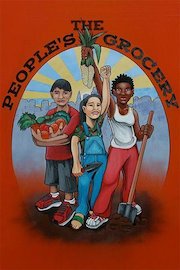
The People's Grocery

Where to Watch The People's Grocery

The People's Grocery is a compelling documentary that explores the multifaceted dynamics of food access, social justice, and community empowerment in the context of a neighborhood characterized by systemic inequities. Set in West Oakland, California, the film delves into the lives and narratives surrounding a grocery store that serves as a beacon of hope and resilience for a community that has long faced challenges in accessing fresh and healthy food.
At the heart of the documentary is the notion of a grocery store as more than just a place to buy food. The People's Grocery serves as a hub of cultural identity and community engagement, where residents come together not just to shop, but to participate in discussions about food justice, health, and sustainability. The movie captures the various stakeholders involved in the grocery's inception and operations, including local activists, community organizers, and everyday residents who share their personal stories and struggles related to food access.
The film highlights the stark contrasts between the affluent neighborhoods that are abundant with grocery options and the food deserts that plague many urban areas, particularly those predominantly inhabited by marginalized communities. Through interviews and poignant narratives, viewers are introduced to individuals who have been affected by these disparities. The documentary encourages empathy and understanding by focusing on the lived experiences of residents who have had to navigate the complexities of accessing nutritious food in a hyper-commercialized society.
Visually, The People's Grocery is rich with vibrant scenes from the community, showcasing local farmers' markets, community gardens, and the grocery store itself. These visuals serve as a powerful reminder of the connections between food, culture, and identity. The filmmakers skillfully integrate imagery of the community's landscape, capturing both its beauty and the environmental challenges it faces. This juxtaposition enhances the urgency of the message about the need for equitable food distribution and the importance of local solutions in combating broader systemic issues.
The documentary also examines the economic and social forces that contribute to food insecurity, such as gentrification, corporate interests, and policy decisions that overlook the needs of low-income families. Through expert commentary from sociologists, economists, and food justice advocates, the film provides a broader context for understanding the systemic barriers that perpetuate inequality. This makes it not only a story of a grocery store but a microcosm of the larger fight for justice in various aspects of life, including health, education, and economic opportunity.
One of the most inspiring elements of The People's Grocery is the portrayal of community resilience and agency. The grocery store becomes a symbol of collective action and empowerment, as members of the community band together to create sustainable solutions to their food access issues. The film showcases grassroots initiatives, educational programs, and local partnerships that aim to foster a sense of ownership and pride among residents. Through these efforts, the film highlights the transformative power of food not just as a commodity, but as a tool for social change.
Additionally, the documentary addresses the importance of cultural relevance in the food movement. It emphasizes how food traditions and heritage play a crucial role in the community's identity. By showcasing local chefs, culinary educators, and elders who share their wisdom about traditional cooking and eating practices, the film underscores the need to honor and incorporate cultural narratives in the fight for food justice.
The People's Grocery is not only informative but also emotionally resonant. The personal stories shared by residents reveal the deep connections people have to food, family, and community. Through their journeys, viewers witness the challenges faced by individuals in their pursuit of a healthier lifestyle, and the film captures the triumphs that result from community solidarity and perseverance. This emotional depth invites viewers to reflect on their own relationship with food and the significance it carries in their lives.
As the film progresses, it calls viewers to action, urging them to consider their roles in their own communities regarding food access and justice. The People's Grocery challenges the audience to think critically about the systems that govern food distribution and to support local initiatives that promote equity and sustainability.
In conclusion, The People's Grocery is a thought-provoking documentary that illuminates the critical issues surrounding food access and community resilience. It serves as both a call to awareness and a source of inspiration, inviting viewers to engage with the complexities of food justice and to recognize the power of community in effecting meaningful change. Whether one is a seasoned activist or someone newly introduced to these themes, the film offers a poignant reminder of our shared responsibility toward ensuring that everyone has the right to healthy and nourishing food.