

The Other Side of AIDS
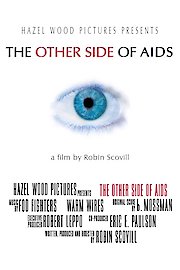
The Other Side of AIDS
"How Positive are You?"
 4.4/10

Where to Watch The Other Side of AIDS

The Other Side of AIDS is a thought-provoking, eye-opening documentary released in 2004. Directed by Robin Scovill, the film aspires to challenge entrenched beliefs and existing norms about the global HIV/AIDS epidemic. It stars key personalities from the science and healthcare arena, including Margaret Heckler, Robert Gallo, and Christine Maggiore, allowing for varied and well-informed perspectives.
The feature-length documentary takes the viewers on a journey that promises to fundamentally question the understood narratives around HIV and AIDS. Starting from the early 1980s, when the disease was discovered, former Secretary of Health and Human Services, Margaret Heckler, provides a unique governmental lens to the situation. Her tenure was marked by landmark efforts in public health, including the identification of the HIV virus and the globalized war against AIDS.
Prized and revered researcher, Robert Gallo, another prominent figure in the movie, delves into his pioneering work on retroviruses and the discovery of HIV. Known for being one of the first scientists to identify HIV as the cause of AIDS, Gallo's perspective lends a scientific angle to the narrative. His involvement in the film allows the viewer to understand the mechanisms behind the virus and its global impact from a very technical and scientific viewpoint.
A stark contrast to Gallo's scientific approach is presented through Christine Maggiore, a vocal AIDS dissident and activist, who argues on the premise of questioning the HIV/AIDS relationship itself. A positive HIV test in 1992 led her down an unconventional path of skepticism and defiance, becoming an outspoken critic of the AIDS establishment and its viewpoints. Known to actively promote alternative theories about the origin, diagnostic methods, and treatments of AIDS, she adds a highly controversial yet fascinating perspective to the documentary.
The movie does not just limit itself to these three separate point-of-views but masterfully intertwines it with voices from a diverse array of sources including medical personnel, scientists, HIV sufferers and their families. It critically questions the HIV tests, the medications, the statistical data, and the vested interests in the multi-billion-dollar industry that is HIV/AIDS.
Filmed over several global locations, the film offers a global perspective on the epidemic. The Other Side of AIDS takes viewers to the dense heart of Africa, where AIDS patient numbers are large, to bustling city centers where pharmaceutical companies thrive, to the intimate settings of individual homes, thus broadening the horizon of the AIDS dialogue. The scenes enhance the emotional impact of the narratives, allowing audience members to visualize the scope of the crisis and the human element that is often forgotten amidst the statistics and science.
Through a balanced mix of intimate interviews, historical footage, scientific data, and personal anecdotes, The Other Side of AIDS initiates a dialogue that is both heartfelt and detailed. The film, in its essence, is a detailed exposition of the complexities, controversies, and in-depth knowledge related to HIV and AIDS.
The Other Side of AIDS, while providing a platform for dissident voices, does not shy away from subjecting these alternative theories to scientific testing or skirting controversial topics. It probes into the sensationalism surrounding the epidemic, the potential misrepresentation of facts, the criticisms surrounding treatments, and the questionings of the mainstream scientific conclusions. This in-depth analysis makes it a gripping watch that compels viewers to assess the rampant preconceived beliefs.
Artfully crafted, the film succeeds in instigating intellectual curiosity about the matter. It presents a riveting narrative that is not just an exposition about facts and data but is also an exploration of the human elements tangibly affected by this epidemic.
In conclusion, The Other Side of AIDS is a powerful and bold documentary that attempts to reframe the existing narrative around the AIDS epidemic. Its thought-provoking and challenging approach promises to educate, inform and possibly even incite a new perspective about this much-debated topic. By initiating this crucial conversation, the film stands as a testament to the power of questioning and the pursuit of truth. It is a must-watch for those seeking to broaden their understanding beyond mainstream narratives of this global health issue.
4.4/10