
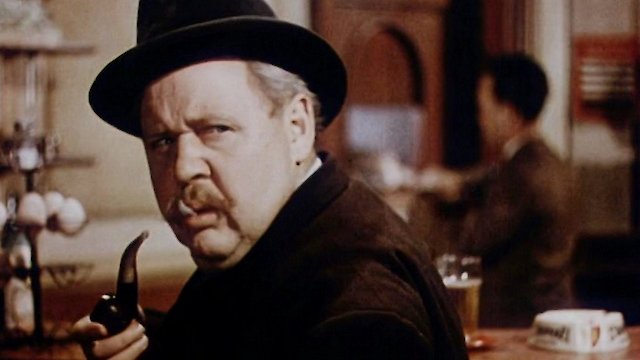
The Man On The Eiffel Tower
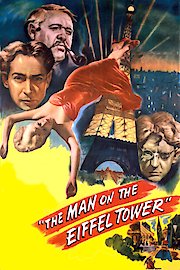
The Man On The Eiffel Tower
"PARIS... GAY, ALLURING... MASKING A STRANGE ADVENTURE!"
 5.8/10

Where to Watch The Man On The Eiffel Tower

The Man on the Eiffel Tower is a 1949 color mystery film that occupies a unique place in the annals of film noir. Produced by Irving Allen and directed by Burgess Meredith, this captivating gem stars a roster of powerhouse performers including Charles Laughton, Franchot Tone, and Meredith himself.
The film opens against the iconic backdrop of post-World War II Paris, a heady mix of the gritty and the beautiful, a setting deeply relevant to the story's evocative tone and narrative. The Man on the Eiffel Tower pivots around a puzzling murder case layered in intrigue, presenting a labyrinthine roadmap of suspense to audiences. It draws heavily from the novel of the same name by Georges Simenon, showcasing his investigative hero Inspector Maigret (Charles Laughton) to the best advantage.
Laughton embodies the epitome of the smart, meticulous, and simple detective in an era preceding the inundation of high-tech tools in crime-solving. As Maigret’s character plunges into the details of the crime and the convoluted web of suspects and motives, the audience gets an intimate look at his patient and steady detective style. His insightful deductions and step-by-step reasoning reveal a commitment to justice that's both inspiring and intensely human. Furthermore, his trench coat and hat - the typical wardrobes of his character - will undeniably evoke nostalgia for classic detective films and novels.
Franchot Tone stars as Bill Kirby, an intelligent, enigmatic man navigating the complexities of life in post-war Paris, with ambition driving his actions. His dynamic character stands as a perfect counterpoint to the calm resolve of Laughton's Inspector Maigret. The complex layers in Tone's performance effectively generate tension, curiosity, and suspense as the plot layer unravels.
The director, Burgess Meredith, who was also a part of the cast, gives life to the character of Radek. His performance is marked by his expressive demeanor and emotive portrayal, creating a memorable character that stands on its own amidst the diverse cast of characters and distinct personalities.
With an intriguing whodunit at its core, the film builds a tantalizing atmosphere of suspense from the start, introducing an array of characters and situations which add depth and complexity to the narrative. Whether you are an aficionado of classic cinema or a newcomer to film noir, the richness of the multilayered story, coupled with some incredible performances, promises an unforgettable viewing experience.
The movie distinguishes itself by utilizing and showcasing the City of Light as a character in its own right. The Eiffel Tower is not a mere landmark but plays a significant role in the narrative, adding another layer of intrigue and symbolism. Thanks to stunning cinematography by Stanley Cortez, the film takes full advantage of its iconic Parisian setting - be it the narrow, winding streets, the boxy Parisian apartments, or the soaring heights of the Eiffel Tower. The use of color film also adds a distinct visual flair, granting The Man on the Eiffel Tower a visual grandeur not usually associated with film noir.
Dealing with themes like obsession, ambition, deception, and the constant struggle between morality and expediency, The Man on the Eiffel Tower probes into human behavior and motivations. The resulting tension between the characters amplifies the suspense of the narrative, making for engaging viewing throughout. Alongside, the audience is given an intriguing peek into post-war Parisian society, with its economic anxieties and transformative cultural influences.
The Man on the Eiffel Tower is an audio-visual treat with its beautiful Parisian vistas and the multilayered score that contributes to the overall atmosphere and complements the storyline. With some scenes shot on location, viewers are treated to rare, genuinely beautiful color footage of the city in the 1940s, adding historical and aesthetic value that transcends conventional entertainment.
In conclusion, The Man on the Eiffel Tower offers an intriguing mystery plot, expert performances from a stellar cast, and a tasteful, heralded depiction of Paris, making it a classic example of the film noir genre with its unique style and narrative technique. Today, this film serves both as a piece of cinematic nostalgia and commendable storytelling, versatile in its appeal to both mystery enthusiasts and lovers of classic cinema.
5.8/10