

The Invention of Brasilia
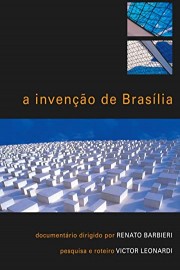
The Invention of Brasilia

Where to Watch The Invention of Brasilia

The Invention of Brasilia is a captivating exploration of the rapid transformation of Brazil’s capital from its inception in the 1950s to its role in shaping the nation’s identity. Directed by a filmmaker known for their keen eye for socio-political narratives and urban design's impact on society, the film delves into the ambitious project that led to the creation of Brasilia, a city born from the vision of architect Oscar Niemeyer and urban planner Lúcio Costa.
Set against the backdrop of Brazil’s post-colonial era, the film begins by contextualizing the political and social environment of the country. The narrative unfolds during a time when the Brazilian government sought to promote national integration and development through extensive urban planning. The decision to move the capital from Rio de Janeiro to a remote area in the Brazilian highlands was not just a logistical challenge; it was a bold statement aimed at unifying the diverse regions of a vast nation and encouraging economic growth in less developed areas.
The film artfully portrays the innovative designs that characterized Brasilia, showcasing Niemeyer’s futuristic architecture and Costa’s revolutionary urban layout. Through stunning cinematography, viewers are transported to the striking visual elements of the city—the iconic cathedral, the Palácio da Alvorada, and the imposing National Museum of the Republic. Each structure tells a story of optimism and modernity, embodying the aspirations of a country looking to define itself in the mid-20th century.
As the narrative progresses, The Invention of Brasilia skillfully weaves in personal stories of those affected by the creation of the city. Through interviews and archival footage, audiences hear from the early residents who were drawn to Brasilia’s promise of opportunity. Their experiences illuminate the challenges and the excitement of moving to a city that was still a blank canvas at its inception. This human element adds depth to the film, allowing viewers to grasp the emotional impact of relocating to a place that was, at the time, the epitome of modernization.
The film does not shy away from addressing the more controversial aspects of this grand project. It explores the contentious debates surrounding Brasilia’s construction, including the displacement of indigenous communities and the environmental consequences of building in a previously untouched landscape. These discussions highlight the complexities of progress and the often difficult choices that come with nation-building. The director ensures that the narrative remains balanced, prompting viewers to reflect on the duality of creation and destruction that is often intertwined in ambitious projects of this scale.
Moreover, The Invention of Brasilia poses profound questions about identity and belonging. It challenges the notion of what it means to call a place home, especially in a city that was meticulously planned rather than organically developed. The film engages with themes of urban alienation and community, inviting viewers to consider how design influences social dynamics. The stark contrast between Brasilia's utopian vision and the lived reality of its inhabitants serves as a pertinent discussion about the efficacy of architectural ideals versus practical needs.
The film also anticipates the long-lasting effects of Brasilia's establishment on urban planning globally. As the first planned capital of a country, Brasilia set precedents for future metropolises, serving as a case study for a blend of aesthetics, functionality, and ideology. It reflects the global aspirations for modernization during the 20th century, appealing to architects, urban planners, and sociologists alike.
In terms of its audiovisual presentation, The Invention of Brasilia excels in marrying an evocative score with lossy visuals of the city’s architecture and landscapes. The sound design complements the visuals, encapsulating the vibrancy and the melancholic tones of the stories being told. The film engages viewers on multiple sensory levels, making the experience both enlightening and emotionally resonant.
As the film draws to a close, it opens a dialogue about the future of Brasilia amid contemporary challenges. It encourages audiences to think critically about the ongoing evolution of urban landscapes and the legacy of the choices made by earlier generations. The closing scenes serve as a reflection on the city's dual nature as a symbol of modernity and a site of significant tension.
The Invention of Brasilia is a thought-provoking documentary that transcends mere historical recounting. It invites viewers to engage with the complex interplay between ambition and reality in the context of urban design, making it a significant contribution to discussions about architecture, identity, and the socio-political fabric of modern society. Through its comprehensive examination of Brasilia’s birth and evolution, the film serves not only as a documentary record but also as a contemplative work that resonates with audiences interested in the dynamics of city life and the stories that shape it.