

The Great War: 1914 - To Arms
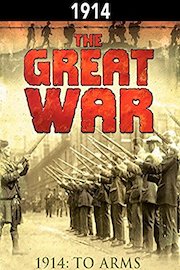
The Great War: 1914 - To Arms

Where to Watch The Great War: 1914 - To Arms

The Great War: 1914 - To Arms is a notable film released in 1916, set against the backdrop of one of the most tumultuous periods in human history: World War I. This silent epic delves into the emotional, political, and social implications of the war, encapsulating the spirit of the times while reflecting on the human cost of conflict.
At its core, the film serves as a powerful dramatization of war’s grim realities and the personal stories intertwined within that larger narrative. The storyline follows a range of characters from diverse backgrounds—soldiers on the front lines, families waiting at home, and leaders grappling with strategic decisions. Each character's journey unveils a tapestry of experiences that mirror the broader societal impacts of the war, from the fervent nationalism that swept across countries to the profound tragedies that befell countless households.
One of the film's remarkable features is its ability to convey the devastating effects of war through striking visuals and impactful performances, despite the limitations of the silent film format. The filmmakers utilize expressive acting to communicate emotions powerfully, relying on gestures, facial expressions, and carefully choreographed scenes to evoke a sense of urgency and depth. The film’s cinematography captures the stark contrasts between the vibrancy of life before the war and the desolation left in its wake, providing the audience with a poignant view of the destruction wrought by conflict.
The film opens with a depiction of the peaceful yet tense pre-war Europe, showcasing the lives of ordinary citizens. It immerses the audience in the cultural and social dynamics of the time, highlighting the joys and aspirations that would soon be overshadowed by war. As the world transitions into armed conflict, the film poignantly illustrates the initial excitement that many felt, as well as the subsequent disillusionment, as the harsh realities of trench warfare become apparent.
Key sequences focus on training camps where young men are transformed into soldiers, revealing both the camaraderie that develops among them and the intimidation of facing an uncertain fate. The film captures the various motivations that drive men to enlist, be it patriotism, adventure, or societal pressure, adding layers to their characters as they each grapple with their newfound identities in a war-torn world.
The battle scenes are particularly gripping, employing a mix of actual wartime footage and staged reenactments to create a visceral experience for the audience. These sequences reflect the technology of warfare at the time, from artillery barrages to trench conditions, emphasizing the brutality and chaos of combat. The tension is palpable as soldiers navigate the dangers of the battlefield, providing an unfiltered glimpse into the life-and-death struggles faced by millions.
In parallel with the frontline experiences, the film doesn’t shy away from portraying the struggles of those left behind. Families, especially women, are shown grappling with the harsh realities of uncertainty and grief. Their stories lend a critical perspective, reminding viewers that war does not only affect those who fight but also those who support them from afar. The emotional toll on mothers, wives, and children is illustrated through poignant moments of longing and despair, as well as glimpses of resilience as they await news of their loved ones.
Moreover, The Great War: 1914 - To Arms serves as a historical document that reflects the sentiments and perspectives of its time. Produced during the war itself, the film encapsulates the propaganda and patriotic fervor that permeated society. It portrays the collective national pride shared among countries while subtly hinting at the growing disillusionment as war raged on. Through the lens of its characters, the film encapsulates the tension between idealism and the grim realities of warfare, inviting viewers to reflect on the true costs of war.
Additionally, the film features a stirring score that complements the visuals, heightening emotional engagement. While the absence of sound lends a unique atmosphere, the judicious use of music helps convey the film's themes and enhances its dramatic moments.
In summary, The Great War: 1914 - To Arms is a compelling exploration of the human experience during World War I. Through its vibrant storytelling, compelling characters, and striking visuals, the film provides a multi-faceted view of the war and its far-reaching consequences. Its historical significance as a reflection of the era, combined with its exploration of the complexities of human emotions in the face of adversity, make it a valuable cinematic work that resonates with audiences even today. It stands as a testament to the courage of individuals caught in the tides of history, capturing both the fervor of patriotism and the harrowing cost of war.