

Srebrenica: Autopsy of a Massacre
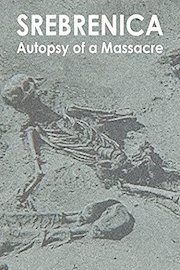
Srebrenica: Autopsy of a Massacre

Where to Watch Srebrenica: Autopsy of a Massacre

Srebrenica: Autopsy of a Massacre is a poignant documentary that delves into one of the most harrowing chapters of the Bosnian War—the Srebrenica massacre of July 1995—where thousands of Bosniak men and boys lost their lives at the hands of Bosnian Serb forces. The film meticulously explores the complexity of the events that led up to this genocide, as well as the aftermath that continues to affect survivors and communities to this day.
Crafted with a blend of historical analysis, personal testimonies, and expert commentary, the documentary serves as both a lesson and a memorial. It offers viewers an understanding of the political, social, and cultural dynamics at play that contributed to the rise of ethnic tensions in the Balkans, ultimately culminating in the tragic events of Srebrenica. Through a methodical approach, the film examines the failures of international intervention and the impotence of the global community to prevent such atrocities, raising critical questions about responsibility and moral obligation in the face of humanitarian crises.
The documentary is anchored by interviews with survivors who offer haunting accounts of their experiences during the massacre. These firsthand narratives are juxtaposed with archival footage, journalistic reports, and discussions with historians and forensic experts who analyze the events and the subsequent investigations. The filmmakers take care to provide context, allowing the audience to grasp not only the scale of the tragedy but also the human stories behind the statistics. Each survivor's story is a thread that weaves together the larger tapestry of loss, grief, and resilience, emphasizing the personal impact of collective trauma.
As the narrative unfolds, the film delves into the socio-political landscape of Bosnia before and during the war, exploring how historical grievances and nationalistic fervor fueled the violence. Through interviews with experts, the film analyzes the fragmented Yugoslavia, shedding light on the ethnic divisions that exacerbated conflicts and ultimately led to the eventual siege of Srebrenica—a town that had been declared a "safe area" by the United Nations. This betrayal by international peacekeepers is a critical aspect of the documentary, prompting reflection on the limitations of international law and intervention in warfare.
Srebrenica: Autopsy of a Massacre also pays particular attention to the forensic investigations that followed the massacre, highlighting the importance of uncovering the truth behind war crimes and providing justice for the victims. The film documents the painstaking work of forensic scientists and investigators who excavated mass graves, a process that serves not only to identify the deceased but also to validate the suffering of the victims' families and the broader community.
In addition to investigating the past, the documentary raises questions about remembrance and commemoration. It reflects on how societies deal with the legacies of such traumas, examining the roles of memorials, educational programs, and activism in striving for justice and reconciliation. The film emphasizes the necessity of remembering the Srebrenica massacre, not as a singular, isolated event, but as part of a broader narrative about human rights, dignity, and the ongoing struggle against genocide and ethnic cleansing around the world.
Cinematically, Srebrenica: Autopsy of a Massacre is thoughtfully constructed, utilizing a blend of visual and auditory elements to create an immersive experience. The documentary’s use of stark imagery serves to convey the gravity of its subject matter, while the emotional weight of survivor testimonies echoes throughout. The filmmakers have struck a balance between providing a comprehensive historical account and encouraging a deep emotional connection to the individual stories, making the film both informative and impactful.
Overall, Srebrenica: Autopsy of a Massacre stands as an essential work of documentary filmmaking that confronts difficult truths about humanity, morality, and the consequences of conflict. It serves as a sobering reminder of the fragility of peace and the dire consequences of hatred and division. By bringing the stories of Srebrenica’s victims to the forefront, the film not only honors their memory but also urges contemporary audiences to reflect on the lessons of history and the importance of vigilance against hatred and intolerance in all its forms.
Ultimately, Srebrenica: Autopsy of a Massacre is more than just a documentary about a historical event; it is a powerful call to action for a world still grappling with the shadows of past atrocities. Through its exploration of memory, justice, and our shared humanity, it invites viewers to confront uncomfortable truths about the present and future—a future that must strive to ensure that such horrors are never repeated.