

Rikidozan
Rikidozan

Where to Watch Rikidozan

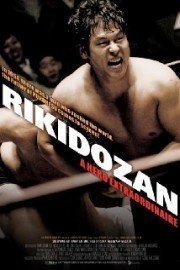
Rikidozan is a South Korean-Japanese biographical film released in 2004 that tells a tale of triumph, wrestling, and national pride. The film stars experienced actors, such as Kyung-gu Sol in the titular role, Miki Nakatani, and Tatsuya Fuji. It is directed by Hae-Sung Song, who is known for directing films that brilliantly capture the complexities and subtleties of their characters.
Rikidozan chronicles the life of Rikidozan, a Korean wrestler who moves to Japan after World War II in search of opportunities. Born as Kim Sin-rak in South Korea, he invested enormous time and effort into becoming Rikidozan, a versatile, dominant figure in the nascent professional wrestling industry in Japan.
Kyung-gu Sol embodies the role with a tenacious spirit and a flair for showmanship that adds an unmistakable authenticity to the wrestling scenes. His portrayal of Rikidozan makes every moment feel real; the triumphs and failures, the struggle to fit into a new culture, the desire to ascend the social ladder, and the gnawing need to make something of himself despite the hurdles.
The film addresses themes of personal identity, national pride, and social scrutiny. It prominently showcases the dichotomy between Rikidozan the wrestler and Kim Sin-rak the man. This conflict is further enriched by the contrast between his on-stage persona—an invincible hero of Japan—and his off-stage reality—a foreigner grappling with his own sense of self and place.
Miki Nakatani portrays the role of Aya, Rikidozan's partner. She delivers an endearing performance as a woman who deeply loves Rikidozan for his spirit and ambition, but also harbors concerns about his increasingly reckless behavior and blind pursuit of fame. Tatsuya Fuji completes the cast, shining with his compelling performance, adding layers of complexity to the narrative.
The film's aesthetics are stunning, making judicious use of lighting and cinematography to weave visual poetry. Each wrestling bout is shot in a way that exudes raw energy and aggression, echoing the very essence of the sport. The set design and costumes are detailed and perfectly capture the era's grit and glamour, all adding to an immersive atmosphere.
A significant strength of Rikidozan is its biting portrayal of post-war nationalism and xenophobia. The film does not shy away from exploring such complex issues, wrapping them in a riveting tale of a man torn between two cultures. It also offers a critique of the often brutal world of show business, where the pressure to maintain a crowd-pleasing public persona can lead to personal turmoil and self-destruction.
Rikidozan's storyline moves with a captivating rhythm, balancing different elements of the protagonist's life and career with unswerving dexterity. There's as much attention given to his professional ascendance as to his personal struggles with identity and acceptance. This delicate balance is part of what makes the film such an engrossing watch. Its nuanced narrative combined with skillful performances bring a unique depth to the protagonist's character and circumstances, making his story an intriguing and thought-provoking journey.
One can sense the emotional buildup towards the climax even without any knowledge of Rikidozan's actual life events. The film’s narrative is soaked in a sense of inevitability, resulting in a deeply poignant climax that brings together a combination of emotions; a testament to the storyteller’s adept handling of the narrative.
In conclusion, Rikidozan is an emotionally engaging biopic that works not just as a study of a genuinely fascinating character but as a commentary on broader societal issues. It presents an unflinchingly honest depiction of a man's quest for fame and acceptance, set against the backdrop of post-war Japan. This film succeeds in making the larger-than-life wrestling hero accessible and relatable, striking a resounding chord with the audience that lingers on long after the credits roll.