
Refridgerator Mothers
Refridgerator Mothers
 8.8/10
Where to Watch Refridgerator Mothers

Refrigerator Mothers is a gripping and heartrending documentary film that was directed by David E. Simpson, J.J. Hanley and Gordon Quinn, and released in 2003. This powerful and evocative documentary explores a dark episode in the history of Autism diagnosis and treatment in the United States during the mid-twentieth century.
The film is centered around the tragic stories of seven mothers who were wrongly blamed for causing their children's Autism. During the 1950s and 1960s, an infamous theory by Dr. Bruno Bettelheim became widely accepted in psychological and medical circles. This theory cruelly asserted that Autism was caused by 'refrigerator mothers,' a derogatory term coined by Bettelheim himself to describe mothers who, according to him, were so cold and unloving that they caused their children to withdraw into their own world, resulting in Autism.
This hypothesis, although ultimately discredited, caused immeasurable suffering and agony for countless families, largely those of the women unjustly accused of causing their children's autism. On a broader spectrum, this narrative seared deep into public consciousness and created a harmful stigma which lasted for decades. The film is a heart-wrenching exploration of these mothers' experiences, underlining not just the injustice they endured but also their resilient fight for their children's rights against a society quick to blame and shame.
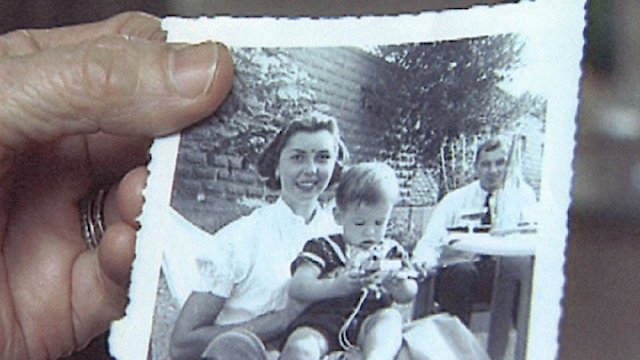
The filmmakers have artistically interwoven archival footage and personal interviews with the mothers who tell their heart-rending stories. Each mother represents a different period, starting in the 1950s and progressing through to the present day. They recount their individual battles against this unjust blame, their pain and sorrow, and their tireless efforts to find understanding and acceptance for their children.
These mothers, portrayed heroically, give the audience an intimate insight into the profound emotional toll they've endured. Their stories tugs at emotional heartstrings, showcasing their courage and strength as they tirelessly advocated for their children even in the face of harsh societal judgment and medical misguidance. These narratives also underline the desperate lengths they went to understand what autism truly was and how they could best help their children.
Refrigerator Mothers also serves as a stark and painful reminder of the harmful repercussions that can result from unquestioned acceptance of professional authority, especially in the field of healthcare. The film isn't just a showcase of stories from individuals impacted by the faulty theory but a critique of the medical and societal norms that allowed for such cruelty.
The documentary film, while focusing on the past, also subtly reflects on the present and future. It pushes the viewer to examine our current understanding of Autism, the care and support given to those living with Autism, and society's attitudes towards those on the spectrum and their families. It challenges viewers to question their own preconceptions and misconceptions about Autism, making them confront and consider the prejudices and stigmas still present today.
One of the key strengths of this film lies in its delicate treatment of its subjects. It's created in such a way as to invite viewers into the complicated, challenging, and sometimes haunting world of Autism without exploiting the families involved or descending into melodrama.
The beauty of Refrigerator Mothers lies in its raw emotional portrayal of the plight of these mothers, who for years, were victims of societal and medical misinformed judgment. Yet, they rose above it to advocate for their children fiercely. This film stands as a poignant tribute to their resilience, their relentless struggle for justice, truth and acceptance. Even while reflecting upon a deeply painful and regrettable chapter in the history of Autism, the film manages to leave its viewers not just with a sense of deep empathy, but also admiration for the indomitable spirit of these brave mothers.
8.8/10