

Mandela: One Man
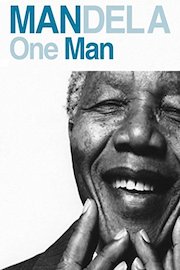
Mandela: One Man

Where to Watch Mandela: One Man

Mandela: One Man is a compelling biographical drama that chronicles the life of one of the most iconic figures of the 20th century, Nelson Mandela. The film delves into the extraordinary journey of a man who transformed from a humble rural boy into a global symbol of peace, reconciliation, and the struggle for justice against rampant oppression.
Set against the backdrop of apartheid in South Africa, the film paints a vivid picture of the institutionalized racism that plagued the nation. Viewers are introduced to Mandela's early life in the small village of Mvezo, where he was born into the Thembu royal family. The narrative intricately explores his upbringing, emphasizing the influence of culture and tradition in shaping his identity. As a youth, Mandela is portrayed as inquisitive and ambitious, demonstrating early signs of leadership and an understanding of the inequalities prevalent in society.
As the movie unfolds, it captures Mandela's legal studies and his subsequent work as an attorney, as well as the awakening political consciousness that leads him to join the African National Congress (ANC). This organization, at the forefront of the struggle against apartheid, becomes a pivotal part of Mandela's life as he collaborates with other activists in clandestine efforts to challenge the oppressive regime. The film expertly weaves together personal and political narratives, showing how Mandela's passion for justice is intertwined with his relationships, particularly with his family and close comrades.
A significant portion of the film is dedicated to Mandela's involvement in the anti-apartheid movement during the early and late 20th century. Through a combination of powerful speeches, strategic negotiations, and grassroots activism, the movie captures the climate of resistance and the hopeful spirit of those yearning for equality. The film does not shy away from depicting the harsh realities of activism during this turbulent period, showcasing the personal sacrifices Mandela and his companions made for the greater good.
One of the film’s most striking aspects is its portrayal of Mandela's incarceration on Robben Island, where he endured 27 years of imprisonment. The film poignantly illustrates the physical and psychological toll of his captivity, juxtaposed with his unwavering resolve and commitment to his cause. With each passing year, Mandela becomes not just a prisoner but a symbol of hope for millions of South Africans and advocates for freedom worldwide. This duality of his existence is poignantly explored, highlighting both despair and resilience amid oppressive circumstances.
The relationships he fosters during his imprisonment, particularly with fellow inmates, add layers to the narrative. They serve as a microcosm of the larger struggle, revealing how shared experiences can forge unbreakable bonds among individuals determined to bring about change. The film effectively illustrates Mandela's role as a leader, not just in a political sense but also as a source of inspiration to those around him. These connections are portrayed with warmth and authenticity, allowing viewers to see the multi-dimensional aspects of his character.
In addition to Mandela's journey, the film does an exceptional job of highlighting the women in his life, particularly his wife, Winnie Mandela. Her struggles and contributions to the anti-apartheid movement are integral to the story and reflect the broader participation of women in South Africa’s fight for liberation. The film thoughtfully examines the complexities of Mandela’s relationships, portraying both love and conflict, as he grapples with the challenges of being a leader, father, and husband amid revolutionary chaos.
Visually, the film is striking, with cinematography that captures the stark beauty of South Africa’s landscapes as well as the stark contrasts of urban life under apartheid. The color palette shifts to reflect emotional climates—darker tones symbolize oppression and despair, while brighter hues celebrate moments of hope and triumph. The soundtrack complements the narrative, featuring a blend of traditional African music and contemporary compositions that evoke the spirit of the struggle.
Through impeccable performances, particularly the portrayal of Mandela, the film exudes a deep sense of empathy and understanding for its subject. It humanizes a figure often revered as a saint, allowing the audience to see his vulnerabilities, doubts, and unwavering commitment to justice. The film does not merely depict historical events; it invites viewers to connect with the emotional experiences that shaped Mandela's legacy.
Mandela: One Man ultimately serves as a powerful exploration of leadership, sacrifice, and the relentless pursuit of freedom. It provides not only a portrait of Nelson Mandela as a pivotal figure in the fight against apartheid but also a broader commentary on the nature of resistance and the transformative power of hope. This film is a poignant reminder of the enduring impact one individual can have on the world, inspiring current and future generations to continue the fight for justice and equality.