

Lost Village
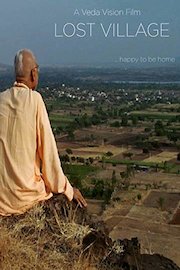
Lost Village

Where to Watch Lost Village

Lost Village is a visually stunning and emotionally charged film that delves into the complexities of isolation, fear, and the quest for identity. Set in a remote area where time seems to stand still, the story follows a group of individuals who are drawn together by an inexplicable force that leads them to a desolate village hidden deep within the wilderness. As they arrive, it becomes clear that this village is not just a geographical location; it is a manifestation of their innermost fears and desires.
The film opens with the introduction of the main characters, each of whom carries their own baggage from the outside world. The cinematography effectively captures the stark beauty of the surrounding landscape, with sweeping shots of dense forests, mist-covered hills, and ominous ruins. This backdrop serves as a perfect metaphor for the characters’ internal struggles, with the village embodying both their sanctuary and their prison.
One of the striking features of Lost Village is its ensemble cast, which brings a tapestry of personalities and backstories to life. As the characters learn more about each other, the audience gradually uncovers the reasons that led them to this forsaken place. Some are seeking redemption for past mistakes, while others are simply trying to escape the chaos of modern life. The film does an exceptional job of weaving these narratives together, creating a rich emotional tapestry that resonates with viewers.
The village itself is shrouded in mystery, with abandoned buildings and remnants of a once-thriving community echoing the lives that were lived there. The production design plays a significant role in establishing the eerie atmosphere, with dilapidated structures and haunting imagery that evoke a sense of unease. The sound design further enhances this feeling, with unsettling noises echoing through the village, leaving the characters—and the audience—with an unnerving sense of mystery.
As the characters settle into the village, they begin to experience strange occurrences that challenge their perceptions of reality. Isolated from the outside world, they confront their fears and insecurities, leading to conflicts that threaten to tear their fragile community apart. The psychological tension builds gradually, reflecting the characters' descent into madness, as they grapple with not only their external surroundings but also their internal demons.
Lost Village excels at exploring themes of human connection and the consequences of loneliness. The characters’ interactions peel back layers of trust, betrayal, and vulnerability, forcing them to confront their own shortcomings. Friendships form and dissolve within the span of the narrative, underscoring the fragility of human relationships in times of crisis. The film delves deeply into the power of belonging and the pain of disconnection, making the audience reflect on their own experiences.
While the film is steeped in dark themes, it also offers moments of levity and warmth. Small acts of kindness and camaraderie are interspersed throughout, providing much-needed relief from the tension. These moments serve to highlight the resilience of the human spirit, even in the face of overwhelming despair.
The pacing of Lost Village is deliberate, allowing viewers to immerse themselves fully in the characters' journeys. The screenplay thoughtfully balances dialogue and silence, with quiet moments of reflection that deepen the emotional resonance. The performances are raw and authentic, with each actor contributing to the overall tapestry of despair and hope. Their portrayals invite viewers to empathize with their struggles, fostering a deep connection that lingers long after the credits roll.
One of the most remarkable aspects of Lost Village is its exploration of existential questions about purpose and meaning. As the characters navigate their personal challenges, they grapple with profound questions about what it means to truly live. This exploration invites audiences to reflect on their own lives and the choices they make, offering a philosophical layer that heightens the film’s emotional impact.
Visually, the film is a feast for the senses, with stunning cinematography that captures the haunting beauty of the landscape. The use of light and shadow creates a haunting ambiance, reflecting the characters' emotional states as they traverse the village. Each frame is meticulously crafted, enhancing the overall atmosphere of the film and drawing viewers deeper into its world.
In conclusion, Lost Village is a thought-provoking and haunting exploration of human nature, identity, and the impact of isolation. With its gripping narrative, rich character development, and stunning visuals, the film delivers a powerful message about the complexities of belonging and the strength found in confronting one's fears. As audiences journey alongside the characters, they are invited to ponder their own paths and the significance of the choices they make, making Lost Village a truly memorable cinematic experience.