

Lessons for the Living iversity/College
Lessons for the Living iversity/College

Where to Watch Lessons for the Living iversity/College

Lessons for the Living (20 Minute Version) is a poignant documentary that captures the deeply personal journey of individuals facing terminal illness and the valuable lessons they impart about life, death, and the enduring human spirit. Released in 2010, this film serves as a poignant reminder of the importance of appreciating our lives and the connections we make along the way. Aimed primarily at an institutional audience, such as universities and colleges, it encourages meaningful discussions around topics of mortality, legacy, and the significance of human relationships.
The film presents a series of heartfelt interviews with terminally ill patients who share their reflections on life and death. These narratives are not just about the impending end; rather, they explore the wealth of knowledge that comes from living in the face of limited time. The participants convey their unique perspectives on what truly matters, prioritizing love, kindness, and the impact of relationships over materialist pursuits. By laying bare their vulnerabilities, these individuals invite viewers to confront their own fears and uncertainties regarding life and mortality.
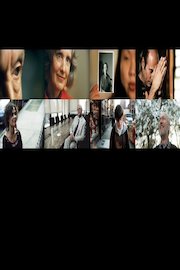
The documentary is structured to engage the audience thoughtfully, blending raw emotion with philosophical insights. Each person's testimony is enriched by the cinematography, which emphasizes simple yet profound imagery that resonates with the themes being discussed. The visual elements complement the stories, creating a stirring atmosphere that resonates with the viewer, fostering empathy and deeper understanding.
One of the film's core strengths lies in its ability to evoke introspection and self-reflection among viewers. By sharing their distinct experiences, participants challenge the audience to consider their own lives and the values they hold dear. This exploration of mortality serves as a critical backdrop, encouraging individuals to reflect on their relationships with family, friends, and even themselves. Whether it’s reconciling past regrets, nurturing current relationships, or considering future legacies, the messages stemming from the participants' stories resonate on many levels.
The documentary does not shy away from the emotional weight of its subject matter. The thematic elements of grief, loss, and acceptance are portrayed with honesty and grace, allowing viewers to process their own experiences with these heavy concepts. It recognizes that discussions around death, while often uncomfortable, are necessary for personal growth and understanding.
Lessons for the Living shines a light on the art of storytelling, as the individuals featured share their narratives and impart lessons learned throughout their lives. The sharing of these anecdotes creates a rich tapestry of human experience, helping to bridge the gap between the audience and the storytellers. This approach not only humanizes those with terminal illnesses but also fosters a sense of community among viewers as they navigate their own journeys through life and loss.
Another notable aspect of the film is its emphasis on the universality of the human experience. While each person’s story is unique, common threads weave through their narratives, highlighting shared values and experiences. This universality transcends cultural and geographical boundaries, making the film relevant to a diverse audience. The lessons drawn from these experiences are applicable regardless of one’s background, promoting a sense of shared humanity.
In an academic setting, Lessons for the Living serves as a valuable resource for discussion and analysis. It invites students from various disciplines—such as psychology, sociology, philosophy, and health sciences—to engage with the material in a multifaceted way. The documentary can foster critical conversations about the ethical implications of end-of-life care, the psychological processes surrounding grief and loss, and the societal attitudes toward death. By doing so, it encourages learners to approach these complex issues with empathy and understanding.
Furthermore, the film poses important questions about how society views death and the ways in which we engage with those who are terminally ill. It prompts a deeper examination of healthcare systems, familial dynamics, and the cultural narratives surrounding end-of-life experiences. This discourse can lead to greater awareness and advocacy for compassionate care, aligning with contemporary movements toward more humane medical practices.
In conclusion, Lessons for the Living (20 Minute Version) is an evocative documentary that merges personal stories with universal themes of life, death, and connection. It provides a platform for individuals to share their wisdom gained through lived experiences while offering viewers an opportunity for deep reflection and connection to the broader human experience. As a resource for educational institutions, it encourages discussions that are as timely as they are timeless, ultimately advocating for a more compassionate understanding of mortality and the legacy of the lives we lead.