

Le train d'Hitler
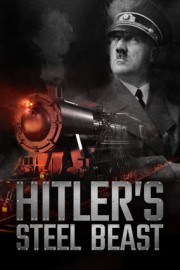
Le train d'Hitler

Where to Watch Le train d'Hitler

Le train d'Hitler, directed by a notable filmmaker, is a gripping historical drama that intricately weaves together themes of war, courage, betrayal, and the heavy toll of human conflict. Set during World War II, the film revolves around the formidable journey of a special train that played a pivotal role in the logistics and strategies of the Nazi regime.
The narrative begins in the context of the early 1940s, at a time when the tides of war are shifting. The film introduces the audience to a group of characters, each with their own motives and backgrounds, coalescing around a high-stakes mission involving Adolf Hitler's armored train. This train was not just a mode of transportation but a symbol of the Nazi regime's power, mobility, and influence, signifying the danger and determination of those at the helm of the Third Reich.
As the characters are introduced, viewers are immersed in a tableau of complex relationships, personal grievances, and moral dilemmas. The film does a remarkable job of developing its characters, showcasing their distinct personalities, emotional struggles, and the personal stakes they carry as they navigate through a ravaging war. Among them are military officials, spies, resistance fighters, and ordinary civilians, each contributing to the overarching narrative and illustrating the various facets of life under Nazi occupation.
Cinematically, Le train d'Hitler employs a visual style that enhances the authenticity of the wartime setting. The cinematography captures the bleakness of war-torn Europe, juxtaposed with the opulence of the train, highlighting the disparities in life and the harsh realities faced by those outside the regime's inner circle. The filmmakers meticulously recreate key historical details, from the train's lavish interior to the high-security measures that accompany Hitler's travels, allowing audiences to engage deeply with the time period.
As the plot unfolds, the film masterfully builds suspense, utilizing tight pacing and well-constructed tension. Viewers are drawn into the intricacies of the characters' plots and counterplots, each decision laden with potential consequences. The narrative intertwines personal stakes with broader historical events, prompting viewers to reflect on the moral implications of allegiance, duty, and sacrifice during tumultuous times.
Amid the chaos of war, the human spirit's resilience shines through. The film explores themes of resistance, as characters attempt to subvert the oppressive forces that control their lives. Through acts of bravery, sacrifice, and strategic cunning, they reveal the courage that can emerge even in the darkest circumstances. Le train d'Hitler does not shy away from illustrating the complexities of its characters, showcasing both their strengths and vulnerabilities.
Furthermore, the film delves into the psychological impacts of war on its characters. Fear, loyalty, guilt, and the burdens of betrayal weigh heavily on their shoulders as they navigate a labyrinth of ever-shifting alliances and threats. This emotional depth adds a layer of complexity to the narrative, encouraging viewers to ponder questions of morality and the nature of humanity in extreme situations.
The film's score complements the storytelling, enhancing its emotional impact. An evocative soundtrack underscores the intensity of scenes—drawing viewers further into the characters' journeys while evoking the somber realities of the era. The use of sound is particularly effective in amplifying tension, allowing audiences to feel the weight of impending danger and the uncertainty that characterizes the wartime experience.
Le train d'Hitler also serves as a reflection on the historical events and moral implications of the Nazi regime. With a nuanced approach, it confronts the ideologies that propelled such profound human suffering while presenting a balanced view of the individuals caught in the whirlwind of these historical forces. The film incites discussions around the varied human responses to oppression and the myriad ways people cope with fear and despair.
In conclusion, Le train d'Hitler offers audiences a compelling journey through a fraught and critical period in history. Through its rich character development, intricate plotting, and evocative visual storytelling, it creates a powerful narrative that resonates with both the past and present. The film stands as a poignant reminder of the costs of war, the fragility of peace, and the enduring strength of the human spirit in the face of adversity. It invites viewers to reflect on the lessons of history, making it not only an engaging cinematic experience but also a meaningful exploration of humanity's darker chapters.