

Joseph Brodsky: In the Prison of Latitudes
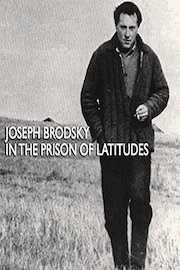
Joseph Brodsky: In the Prison of Latitudes
"The dramatic destiny and passionate spirit of Russian poet Joseph Brodsky"

Where to Watch Joseph Brodsky: In the Prison of Latitudes

Joseph Brodsky: In the Prison of Latitudes is a poignant documentary that explores the life and work of the renowned Russian-American poet Joseph Brodsky. Released in 2008, the film provides an intimate glimpse into the journey of an artist who navigated a tumultuous political landscape while profoundly influencing contemporary poetry through the power of his voice and unique literary style.
The documentary captures Brodsky's intricate relationship with his homeland, Russia, and his subsequent exile, which laid the foundation for much of his creative work. Through a blend of archival footage, personal photographs, and engaging interviews, viewers are transported into Brodsky's world, experiencing the contrasting latitudes of his life—those of his native land and his life abroad. The film touches upon the profound sense of longing and nostalgia that characterizes much of his poetry, giving viewers insight into how his personal experiences informed his artistic expression.
One of the film's strengths is its ability to intertwine biographical elements with a broader context of the socio-political climate of the time. It vividly illustrates Brodsky's early years in Leningrad (now Saint Petersburg), where he grew up amidst a backdrop of post-war USSR. The film sheds light on the repressive atmosphere in which he forged his identity as a poet, providing a window into the struggles he faced under Soviet authority, which ultimately lead to his arrest and eventual exile.
The documentary offers thoughtful commentary on Brodsky's influence within literary circles, showcasing how he became a voice not just for himself but for countless others who suffered under totalitarian regimes. By juxtaposing his poetry with the historical events of the time, the film articulates how Brodsky's works resonated on both personal and universal levels, allowing audiences to grasp the depth of his contributions to literature.
As the narrative unfolds, the viewer encounters an array of notable figures who discuss Brodsky's legacy. Fellow poets, scholars, and friends share their reflections and personal anecdotes, painting a multi-dimensional portrait of a man who was both fiercely individualistic and deeply empathetic. These voices lend a richness to the film, grounding Brodsky's philosophical musings and allowing audiences to appreciate the weight of his literary genius.
Joseph Brodsky's journey to America serves as a crucial turning point in his life and career. The film beautifully captures this transition, exploring the challenges he faced as an exile striving to find his footing in a new culture while grappling with the emotional ramifications of leaving his homeland behind. The contrast between his Russian roots and the American landscape is deftly illustrated, enabling viewers to witness the ways in which these differing environments influenced his poetry.
Throughout the documentary, Brodsky’s own words are interspersed alongside critical analyses of his work, highlighting motifs such as displacement, love, memory, and identity. The film invites viewers not only to hear but also to feel the raw emotions that permeate his poetry. It emphasizes how these themes are relevant across cultures and epochs, establishing Brodsky's work as timeless and universally resonant.
Aesthetically, the film is crafted with care, alternating between stark visuals of the Russian landscape and the dynamic energy of urban American life. The cinematography underscores the dichotomy of Brodsky's existence, reinforcing the internal conflict that often manifested in his writings. The resonant score complements the visuals, creating a hauntingly beautiful atmosphere that captures the essence of the poet's emotional landscape.
The documentary does not shy away from the complexities of Brodsky's character—his wit, his intensity, and his sometimes contentious relationships with fellow writers and critics. It portrays him as a figure of contradiction: a man who could simultaneously celebrate the joy of existence while being deeply aware of its transient nature. These explorations serve to generate a nuanced understanding of Brodsky as both a creative genius and a deeply flawed individual.
As Joseph Brodsky: In the Prison of Latitudes unfolds, it becomes evident that the poet’s legacy extends far beyond his written words. The film asserts that his life itself was an act of defiance against oppression, a testament to the enduring power of art in the face of adversity. The documentary stands as both a tribute to Brodsky's influence and a celebration of a life devoted to the pursuit of truth and beauty through the written word.
In summary, Joseph Brodsky: In the Prison of Latitudes is a compelling exploration of not only a poet's life but also the broader implications of creativity in exile, the resilience of the human spirit, and the impact of art on individual identity and cultural discourse. It serves as a timeless reminder of the transformative power of poetry and its ability to bridge divides, making it a must-watch for lovers of literature and anyone interested in the intersections of art and life.