

Heart Mountain: An All American Town
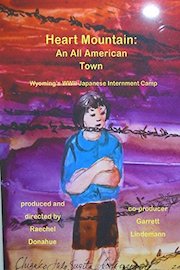
Heart Mountain: An All American Town

Where to Watch Heart Mountain: An All American Town

Heart Mountain: An All American Town is a poignant documentary that explores a significant yet often overlooked chapter in American history—the internment of Japanese Americans during World War II. The film takes its name from the Heart Mountain Relocation Center, a camp located in Wyoming where over 14,000 Japanese Americans were forcibly relocated and interned after the attack on Pearl Harbor.
Through a delicate blend of historical context, personal testimonies, and stunning visuals, the documentary paints a vivid portrait of life inside the internment camp and the challenges faced by those who were stripped of their rights and freedoms. With an emphasis on community resilience and identity, Heart Mountain serves not just as a recounting of hardship, but as a testament to the strength of the human spirit in the face of adversity.
The film features interviews with former internees, their descendants, and historians, providing a multi-generational perspective on the enduring effects of internment. Personal narratives are interwoven with archival footage, photographs, and documents, supporting a deeply human connection to the past. These accounts reveal the emotional and psychological impact of internment on individuals and families, exploring themes of loss, identity, and belonging.
At its heart, Heart Mountain delves into the concept of patriotism amid injustice. It raises critical questions about what it means to be American, particularly during times of national crisis when fear and suspicion can lead to the scapegoating of entire communities. The film examines not only the immediate consequences of internment but also the lingering repercussions on subsequent generations who grapple with the legacy of that era.
One of the documentary’s standout elements is its exploration of community life within the camp. Despite the oppressive circumstances, internees created a vibrant community life, with schools, churches, and social organizations. Heart Mountain details the efforts of individuals who took on leadership roles to foster a sense of normalcy and solidarity, ultimately reshaping their identities in the face of dehumanization.
The documentary also addresses the nuances of the Japanese American experience during this tumultuous time. It highlights the diversity within the Japanese American community, including various cultural backgrounds, motivations for migration, and differing responses to internment. This multifaceted approach lends depth to the narrative, providing insight into how varied experiences shaped the community’s collective resilience.
Director Tetsu Nakanishi skillfully navigates the complexities of this historical episode, ensuring that the film is not merely a record of suffering but also a celebration of survival and empowerment. The cinematography captures the stark beauty of Wyoming’s landscapes, juxtaposing the serene scenery with the harsh realities of life in an internment camp. The visuals complement the emotional weight of the stories being told, creating a powerful atmosphere that resonates with the audience.
Musical scores woven throughout the film evoke a poignant sense of memory and longing, enhancing the storytelling experience. Each note reinforces the sentiment behind the visuals and personal accounts, intensifying the emotional depth of the journey.
Heart Mountain: An All American Town not only memorializes the struggles faced by Japanese Americans during World War II but also serves as a catalyst for reflection on current social and political contexts. By drawing parallels between past injustices and contemporary issues of discrimination and xenophobia, the film invites audiences to engage critically with history and its ongoing relevance in today’s world.
The documentary emphasizes the importance of remembrance and education, urging viewers to confront uncomfortable truths about their nation’s past. It calls upon audiences to reflect on the ideals of justice and equality, challenging them to advocate for those whose rights and freedoms continue to be threatened.
Ultimately, Heart Mountain stands as an important reminder of the resilience of the human spirit and the enduring quest for justice. Through its compelling storytelling and rich historical context, the film not only keeps the memories of those who endured internment alive but also inspires a new generation to learn from history and strive toward a more inclusive and equitable society.
As viewers traverse this emotional journey through the eyes of those directly affected by internment, they are left with a profound sense of empathy and a call to action, encouraging a commitment to upholding the values that define a truly just and humane society. Heart Mountain: An All American Town is a film that resonates deeply, illuminating the complexities of identity, memory, and the ongoing fight for justice in a world still grappling with the shadows of its past.