
Cane River
Cane River
 6.6/10
 80/100
Where to Watch Cane River

Cane River, directed by Horace B. Jenkins and released in 1982, is a beautiful yet untold story of faded histories, forbidden love, racial tensions, and a resilient asserting of personal and racial identity. Set against the enchanting backdrop of Louisiana, with the arresting beauty of the Cane River serving as the film’s omnipresent symbol, this independent movie is alive with rich cultural heritage and sparkling softly in its poetic narrative.
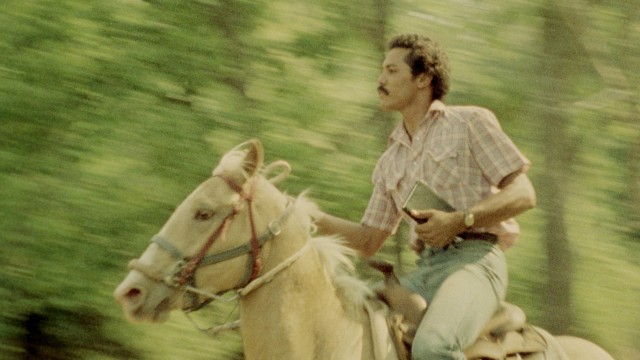
The film stars Richard Romain as Peter Metoyer, a former professional football player, who, after brief stints as an athlete, returns to his nurturing homeland in Natchitoches Parish, Louisiana. The stigma attached to his ancestry and the unresolved mystery of his forefathers' legacy causes him to confront the town's tarnished historical narratives. He's the very embodiment of the heartfelt desire to reconnect with one's roots and understand one's racial past, history, and identity.
Equally captivating is the engaging performance by Tommye Myrick as Maria Mathis, an enlightened and effervescent woman who works as a tour guide at the local plantation turned museum. Maria plays a pivotal role in Peter's journey of self-discovery, serving as a catalyst in his efforts to reconcile with his past, all the while providing an insightful perspective into the enduring racial problems.
Simultaneously, their love story serves as a platform for the depiction of inter-racial conflict, shedding light on the deeply entrenched societal issues that remain to this day. The couple's fight against racial divides and societal disapproval, along with their compelling chemistry, serve as heart-rending narratives further emboldening the drama of this film.
The supporting performance of Ilunga Adell is a standout in the movie, enriching the narrative with his fine nuances of acting. His portrayal gives a panoramic view of the societal matrix of the Southern community, brilliantly captured in Jenkins' narrative.
Jenkins largely draws the kernel of the film from the local Creole community's history, a community whose origins are traced back to free people of color. Rich in symbolism, the film brings to life the forgotten community of Isle Brevelle's Free people of color, with particular emphasis on the Metoyer family, thereby offering a unique perspective "Mulatto Saga" tied intrinsically with the trajectory of American history.
The narrative is a gentle magnification of the struggles of a mixed-race community, unearthing a segment of American history seldom explored by mainstream cinema. It captures the pulse of the local color, providing a unique perspective marked by the southern ambiance, including captivating glimpses of local traditions, folk music, backwater charm, and lively community life.
Knowingly or unknowingly, Cane River also sheds light on the quiet but strong resistance put up by communities against the heavily Eurocentric narratives that were predominant in that era and serves as a crucial reflection on the societal constructs of race, love, and history. It underscores the importance of standing against the tide and reframing narratives in one's own terms.
With resonance to contemporary issues of racial identity and division, this film is endlessly relevant, traversing generations with its deep message and nuanced storytelling. Jenkins's adept storytelling, paired with the enamoring performances of the cast and the mesmerizing Louisiana creeks, paints a compelling portrait of racial identity, one that is as relevant today as it was then.
Creatively ambitious, the movie aspires to give voice to a segment of history quietly swept under the rug. Often referred to as a “forgotten gem” in Black cinema, Cane River, despite being overlooked due to unfortunate circumstances surrounding the director's untimely death, has stood resilient through the rough course of history.
Screened digitally restored and remastered, Cane River is an engaging, powerful exploration of race and history, a romantic drama tightly woven with societal strands and caste disparities. Crafted with sensitivity and emotional acuity, it's a hidden gem that demands attention from viewers seeking something deeply stirring and historically significant. Cane River mirrors our own search for identity in the grand narrative of history, weaving a universal tale that resonates with anyone, anywhere. It's more than just a movie; it's a poignant journey into the heart of forgotten history and the resilience of timeless love.
6.6/1080/100