
Can You Hear Us Now?
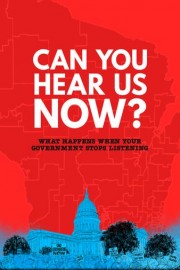
Can You Hear Us Now?
 7.4/10

Where to Watch Can You Hear Us Now?

Can You Hear Us Now? is an enlightening 2020 documentary that journeys into the gritty reality of American politics, shedding light on the audacious efforts of ordinary citizens and activists to help their community have a voice and place in the political processes. The film, directed by Jim Cricchi, is fronted by a compelling set of individuals, featuring Jennifer Estrada, Rebecca Clarke, Sheila Plotkin, Molly McGrath, and Sachin Chheda, who embody the courage, resilience, and spirit of grassroots political activism.
The documentary revolves around the complex political landscape of Wisconsin - a state that serves as a microcosm of the broader, nationwide political challenges and tensions. It is in this context that the film presents its stars, women and men on the ground, working tirelessly to preserve and safeguard democratic values, amidst perceived threats of marginalization.
Jennifer Estrada is one of the leading figures in the film who faces obstacles — economic, cultural, and personal, with courage and determination. The film unflinchingly captures the struggles she endures as a political participant and how she navigates the challenges in her way. The unfiltered narrative allows audiences to appreciate the human element deeply intertwined with the political fabric in Wisconsin.
Rebecca Clarke is another central figure in Can You Hear Us Now? showcase. The documentary poignantly captures her determination to ensure everyone’s voice is heard in the political sphere. The viewers are guided through Clarke's journey, witnessing her efforts to challenge the established norms and undemocratic processes surrounding the citizens.
The documentary unveils Sheila Plotkin's passionate activism as she fights to recover the essence of government 'for the people'. Sheila Plotkin's story is an inspirational tale of resolute tenacity and an affirmation of belief in the potential of grassroots activism to bring significant, constructive change.
Molly McGrath, another face in the film, engagingly displays her commitment to ensure fair and equal access to voting for all citizens, reminding us of the necessity of an informed and participatory voter base for the functioning of democracy. Her relentless advocacy is showcased as a potent tool against systemic political and bureaucratic adversities.
Sachin Chheda, the director of the Fair Elections Project, presents a broader perspective on the gerrymandering crisis troubling Wisconsin. His segments in the documentary lend an insightful, analytical edge to the narrative, giving the audience a comprehensive understanding of the extent and implications of the issue.
Together, these individuals form the pulse of Can You Hear Us Now?. They are the relentless advocates for the voices drowned in the political clamor. They are the testament to the power and potential of grassroots activism in influencing and changing systemic norms and processes. They are the unsung heroes celebrating the true spirit of democracy.
The cinematography of Can You Hear Us Now? is skillfully crafted, capturing the sincere struggle and quiet victories on the ground. The film's mood is subtly painted, moving from despair and frustration to powerful moments of hope and triumph, mirroring the ups and downs experienced by the activists it features.
Ultimately, Can You Hear Us Now? is an examination of the challenges faced by the democratic process in America. Yet, at its heart, the film is a tribute to the extraordinary individuals who work passionately behind the scenes to uphold the core values of democracy at a grassroots level. Through their stories, the film makes the compelling case that democracy is not a given but requires constant nurturing, and most importantly, participation and vigilance from its citizens. It is an invitation to understand, reflect, and appreciate the brighter side of American politics, where common citizens can make uncommon differences.
Perfect for audiences interested in politics, social issues, or simply powerful human stories, Can You Hear Us Now? is a reminder of what democracy can and should be—a space for every voice to be heard.
7.4/10