

Born Too White
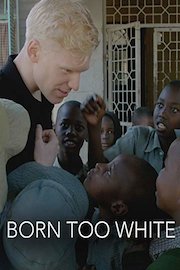
Born Too White

Where to Watch Born Too White

Born Too White is a gripping, emotional, and eye-opening documentary film featuring the UK-based doctor and actor Oscar Duke, who explores the harsh realities and discrimination faced by people with albinism in East Africa.
The premise of the documentary is based on Oscar Duke's own experiences as a person with albinism, a condition that affects the production of melanin, the pigment that colors skin, hair, and eyes. As Duke puts it, he's always felt 'different' from those around him, but was fortunate enough to be born in a place where he was accepted, despite his condition. But for many people with albinism across East Africa, being 'born too white' can be a death sentence.
Unable to shield themselves from the harsh African sun, those with this condition are highly vulnerable to skin cancer from a young age. Prejudice and myth surrounding their physical appearance also make their lives intensely challenging and filled with fear. They are often shunned, mistreated, and face threats of violence – including kidnap and murder – fueled by beliefs in witchcraft.
As a doctor, Duke explores the medical aspects of living with albinism in a context where adequate protection and healthcare are grossly insufficient. With a high risk of skin cancer due to lack of sun protection, it's not uncommon for people with albinism in East Africa to die before age 40. He further investigates the social stigma around the condition, portraying the day-to-day discriminative hurdles that people with albinism encounter.
Oscar Duke's journey takes him to Tanzania, which has one of the world’s largest populations of people with albinism. There, he meets with various individuals who tell their chilling stories, revealing what it's like to live in fear and isolation because of their skin color. Conversely, he also showcases stories of strength, resilience, and hopes amidst the adversity, with several individuals standing up against their circumstances by advocating for equality and societal acceptance.
In another moving shift of the narrative, Duke heads north to Malawi, recently named one of the most dangerous countries in the world for people with albinism, where witch doctors are widely believed to pay for body parts of albino people. This belief has led to a chilling increase in murders, resulting in the government assigning Army protection for those afflicted. Here, he uncovers the grotesque trade thriving in the shadows, driven by ignorance and superstition, and exposes this cruel and unfair treatment.
Born Too White mainly explores the theme of humanity, acceptance, and equality, mirrored in the courage and resilience of people with albinism in East Africa. It delves into the intersection of cultural beliefs, societal norms, and medical conditions that further fuels discrimination and prejudice. It raises pertinent social questions and challenges viewers to confront their own discomforts, judgment, and biases.
In the film's course, Oscar Duke does not just stand as a compassionate observer but, in many ways, becomes a bridge between two cultures, helping shape a more profound understanding of albinism. His candid, empathetic approach, coupled with his personal connection to the subject matter, enables viewers to emotionally and philosophically connect with him and, by extension, with the broader issue at hand.
Dr. Oscar Duke uses his platform and this documentary to bring light to a widely overlooked global issue. By narrating this compelling yet sobering tale, he pushes for systemic change regarding how society perceives and treats those with albinism, urging a shift from fear and hostility to understanding and compassion.
Born Too White is not just a film; it's an urgent call to action. It awakens the global audience to the plight of individuals with albinism in East Africa, hoping to catalyze change in attitudes, behaviors, policies, and legislation.
This documentary has the power to inform, enlighten, and inspire its viewers, vastly enhancing awareness around albinism and the harsh realities faced by those with the condition around the world. It's a poignant, educational, and impactful watch that leaves one moved and thoughtful, challenging us to rethink difference, otherness, and the human ability to persevere through adversity.