

Benjamin Britten - Peace and Conflict
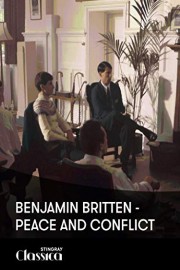
Benjamin Britten - Peace and Conflict

Where to Watch Benjamin Britten - Peace and Conflict

Benjamin Britten - Peace and Conflict is a biographical documentary film delving into the early life and formative years of the world-renowned British composer, Benjamin Britten. Directed by Tony Britten (not related), this movie is a riveting foray into the life of a man who offered significant contributions to the world of 20th-century classical music.
The documentary does not merely chronicle Britten's musical journey, but it effectively paints a picture of the cultural climate, political changes, and personal circumstances that inspired his groundbreaking works. It is a film that not only celebrates his music but also explores his deeply held convictions about politics, pacifism, and his nuanced understanding of war's atrocities.
Tony Britten combines dramatic reconstructions, performance pieces, archival footage, and expert interviews to present an engaging narrative that interweaves Benjamin Britten's personal and artistic journey. The film takes its audience from Britten's upbringing in staunchly conservative Lowestoft, Suffolk, to the progressive Gresham's School, which played a pivotal role in shaping his world views and inculcating a love for the arts.
"Peace and Conflict" refers to two strong themes in Britten's life. His pacifist attitude, reflected in him registering as a conscientious objector during World War II, is partly seen as a response to the violence and chaos of global conflicts. This standpoint created a flurry of garnered attention, debates, and criticisms. Yet, Britten remained unwavering in his convictions, compounding the conflictual elements of his life, witnessed through his relationships, career decisions, and the controversies surrounding his conscientious objection.
The film also delves into the symbiotic relationship between Britten's personal ethics and his musical creations, showing how his pacifist ideas manifest in his body of work, which often delves into the complexities of human nature, war, and peace. Works like "War Requiem" became vehicles through which Britten expressed his internal turmoil about the world's conflicts and his longing for peace.
A distinguishing aspect of this film is its dependence on Britten's time at Gresham's School, wherein Britten was exposed to liberal and pacifist educators who significantly shaped his worldviews. Furthermore, the film also sheds light on Britten's personal life, particularly his long-term relationship with tenor Peter Pears, which influenced his artistic productions and represented his personal struggle against societal norms.
Tony Britten has masterfully used Britten's school years as a symbolic source to the thematic structure of the film, primarily using the lens of pacifism and conflict. The narrative segues between different timelines, focusing on poignant moments in Britten's life, and includes expert commentary and analysis that add depth and breadth to the documentary.
One of the movie's unique aspects is the use of parts of Britten's own children's opera "Noye's Fludde" as an allegory to frame his life and his relationship with his mentor and headmaster of Gresham's, Walter Greatorex. It is an intriguing and compelling storytelling technique that helps uplift the narrative by tying the various strands together seamlessly.
Overall, "Benjamin Britten - Peace and Conflict" is more than just a biopic; it's an intimate journey through the life of an iconic musician, his inner conflicts, and his robust moral convictions. It is a film that chronicles the extraordinary narrative of one of the 20th century's most influential British composers. The film shouldn't be viewed just as a movie about music, but as a rich tapestry fabricating Britten's life intertwining with elements of peace, conflict, art, society, and conscience.